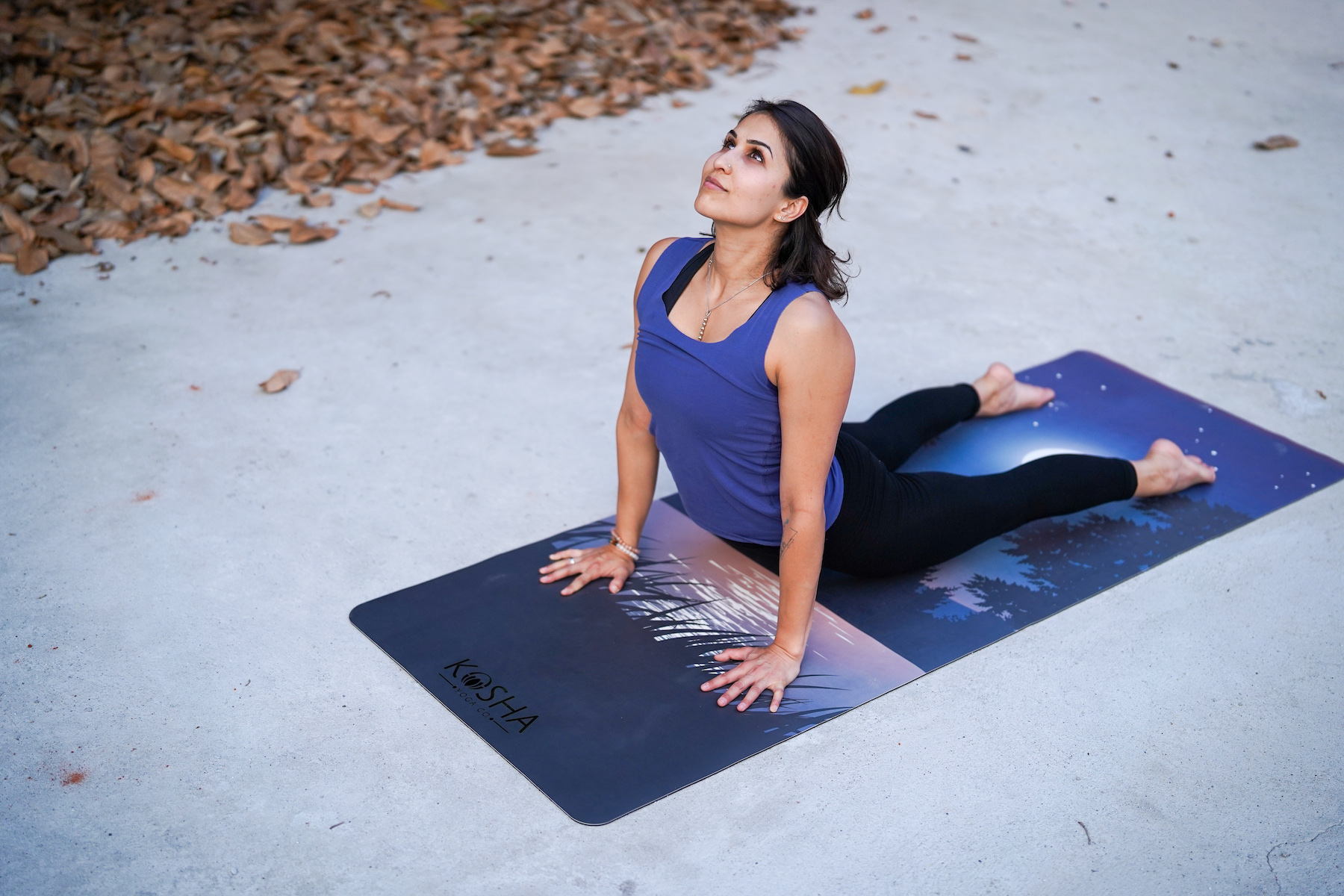
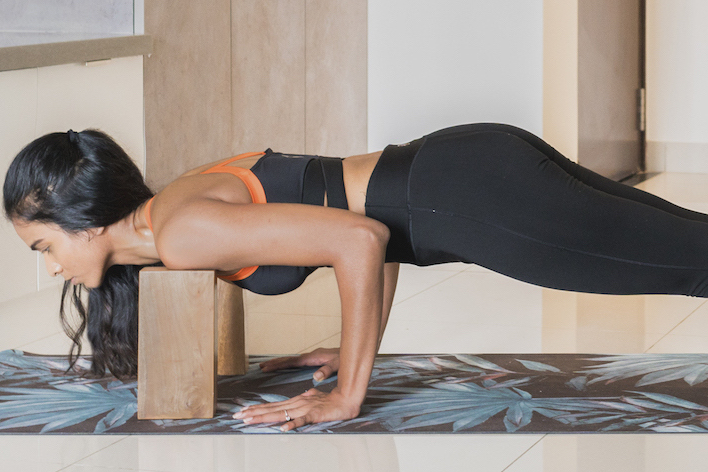
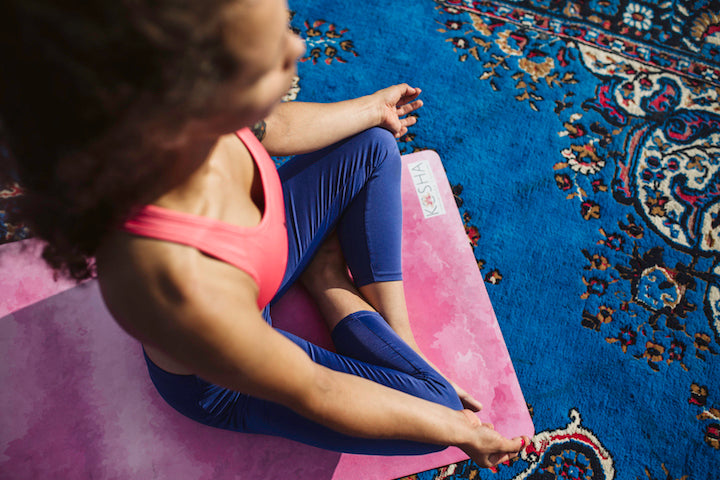

Your yoga mat touches more of your body than almost any other piece of equipment you own. Hands, feet, face during Balasana, forearms during Dolphin Pose — and over weeks of practice, it absorbs sweat, skin oils, dust, and whatever your studio floor or living room carpet is hiding.
As a yoga teacher, I've practised on and tested almost every type of yoga mat material you can think of natural rubber, rubber and PU, cork, PVC, TPE, EVA, foam, jute, cotton and more.
I've also seen students damage perfectly good mats by cleaning them too aggressively or using products that weren't suitable for the material.
The most important thing I've learned is simple:
Cleaning your yoga mat isn't about cleaning it more. It's about cleaning it correctly.
The right approach depends on the material your mat is made from, how much you sweat and whether it's an open-cell or closed-cell surface.
Quick Answers: Yoga Mat Cleaning FAQs
How often should I clean my yoga mat?
Ideally, wipe your yoga mat after every practice and allow it to dry completely before rolling it up. A deeper clean every 8 - 12 practices is generally sufficient, although you may need to clean it more frequently if you have a particularly sweaty practice.
Can I machine wash my yoga mat?
Generally, no. Washing machines, excessive water and agitation can damage many yoga mats, particularly natural rubber and other open-cell materials. Unless the manufacturer specifically says your mat is machine washable, clean it by hand.
Can I use disinfectant, alcohol or sanitising wipes?
I recommend avoiding alcohol-based cleaners and harsh disinfectants, particularly on rubber, PU and cork mats. They can damage the surface and affect grip over time. A soft cloth and an appropriate mild cleaning solution are usually a much better option.
Why does my yoga mat smell after cleaning?
Trapped moisture is often the culprit. If you roll up a mat before it's completely dry, moisture and sweat can remain trapped inside it and contribute to odour. Always leave your mat open to dry thoroughly in a well-ventilated area.
How do I know when to replace my yoga mat?
Look for persistent loss of grip, cracking, peeling, flaking, thinning, deformation or visible deterioration. If your mat no longer feels stable or you're changing your practice because you don't trust the surface, it may be time for a new one.

Why Your Mat's Material Matters
Not all yoga mats are made the same, and that makes a significant difference to how you should clean them.
Natural rubber and rubber + PU mats are generally open-cell and designed to absorb sweat. This contributes to their excellent grip, but also makes them more sensitive to harsh chemicals, excessive moisture and aggressive scrubbing.
Cork is naturally antimicrobial and relatively low-maintenance.
PVC, TPE and many foam or EVA mats are closed-cell. They don't absorb moisture, making them easier to wipe down, but they can become slippery during sweaty practices and may develop odours over time.
Understanding this distinction is the first step to knowing how to clean your yoga mat without damaging it.
How to Clean a Natural Rubber Yoga Mat
Natural rubber is an excellent yoga mat material because of its grip, stability and durability. But rubber is also a living material that reacts with its environment, so it needs to be treated gently.
After practice, wipe your natural rubber mat with a soft, damp cloth. You don't need to use soap after every session.
Once you've wiped it down, allow it to dry completely before rolling it up.
Avoid soaking the mat, scrubbing it aggressively or exposing it to direct sunlight for extended periods.
The less you interfere with the surface, the longer its natural grip is likely to last.
How to Clean a PU + Rubber Yoga Mat
Rubber combined with a PU top layer is one of my favourite constructions for a high-performance yoga mat. It's also the type of mat I personally use because of its exceptional grip.
After a normal practice, I usually wipe my mat with a dry towel and let it air out completely.
If you've had a particularly sweaty practice, use a very slightly damp, soft cloth to wipe the PU surface. Don't saturate the mat and, importantly, don't scrub it.
For a deeper clean, approximately every 10 - 12 practices, use a very mild soap solution and a soft cloth. Wipe gently and allow the mat to dry completely before storing it.
The PU surface is relatively delicate. Excessive scrubbing can wear down the thin top layer and eventually affect both the appearance and performance of the mat.

How to Clean a Cork Yoga Mat
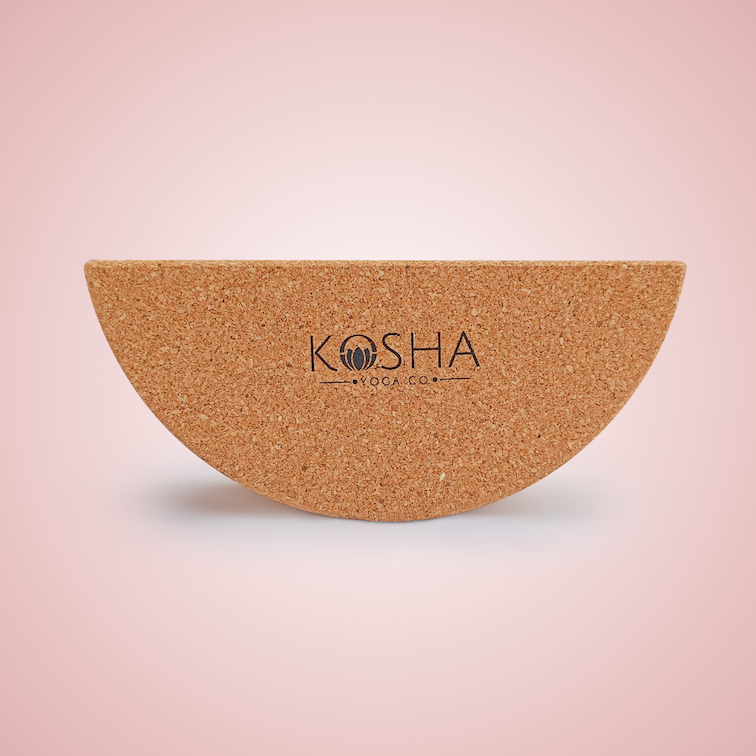
Cork is one of the easiest yoga mat materials to maintain.
It's naturally antimicrobial and relatively low maintenance. After practice, simply wipe the surface with a damp cloth and allow it to dry.
For a deeper clean, use a small amount of mild soap diluted in water. There's no need to scrub aggressively.
If you want a yoga mat that is relatively easy to maintain, cork is an good option.

How to Clean PVC, TPE and Foam Yoga Mats
Closed-cell materials such as PVC, TPE and many foam or EVA mats don't absorb moisture in the same way that open-cell rubber or PU mats do.
This makes them easy to wipe down, but there's a trade off: sweat remains on the surface, which can make the mat slippery during practice and contribute to odour.
For stubborn marks, you can generally use a stronger soap-and-water solution and a cloth to wipe the surface.
Personally, however, I don't recommend foam, EVA, TPE or standard PVC mats for serious practitioners. In my experience, they don't offer the same combination of grip, sweat management, stability and durability as a high-quality open-cell mat.
What About HPVC Yoga Mats?
If your priority is durability and ease of cleaning, high-density PVC (HPVC) is a different story.
These mats are extremely durable and closed-cell, meaning they don't absorb moisture. They're also much more resistant to cleaning products and vigorous cleaning than open-cell materials.
The downside is performance.
Because they don't absorb sweat, they can become slippery during a sweaty practice and generally don't provide the same grip as natural rubber or PU.
If you're someone who uses the mat for strenght training, HIIT workouts, etc. using weights & shoes on your mats, this material is a great option.
But, for someone who practises yoga, I'd personally choose rubber mats over these.

What You Should Never Use to Clean Your Yoga Mat
Regardless of the material, I have one rule:
Do not use harsh household cleaners.
Avoid alcohol and harsh detergents, particularly on open-cell mats such as natural rubber and PU.
I've seen countless mats damaged because people assume that more aggressive cleaning means a cleaner mat. It doesn't.
The high-performance surfaces that provide great grip can also be sensitive to chemicals and abrasion. Your mat needs a gentle hand.
And please don't put your yoga mat in a washing machine or soak it with a hose unless the manufacturer specifically recommends it.
How Often Should You Deep Clean Your Yoga Mat?
You don't need to deep-clean your mat after every practice.
For most mats, light cleaning after each practice and a deeper clean every 8–12 uses is a good starting point.
If you sweat heavily, clean the mat more frequently.
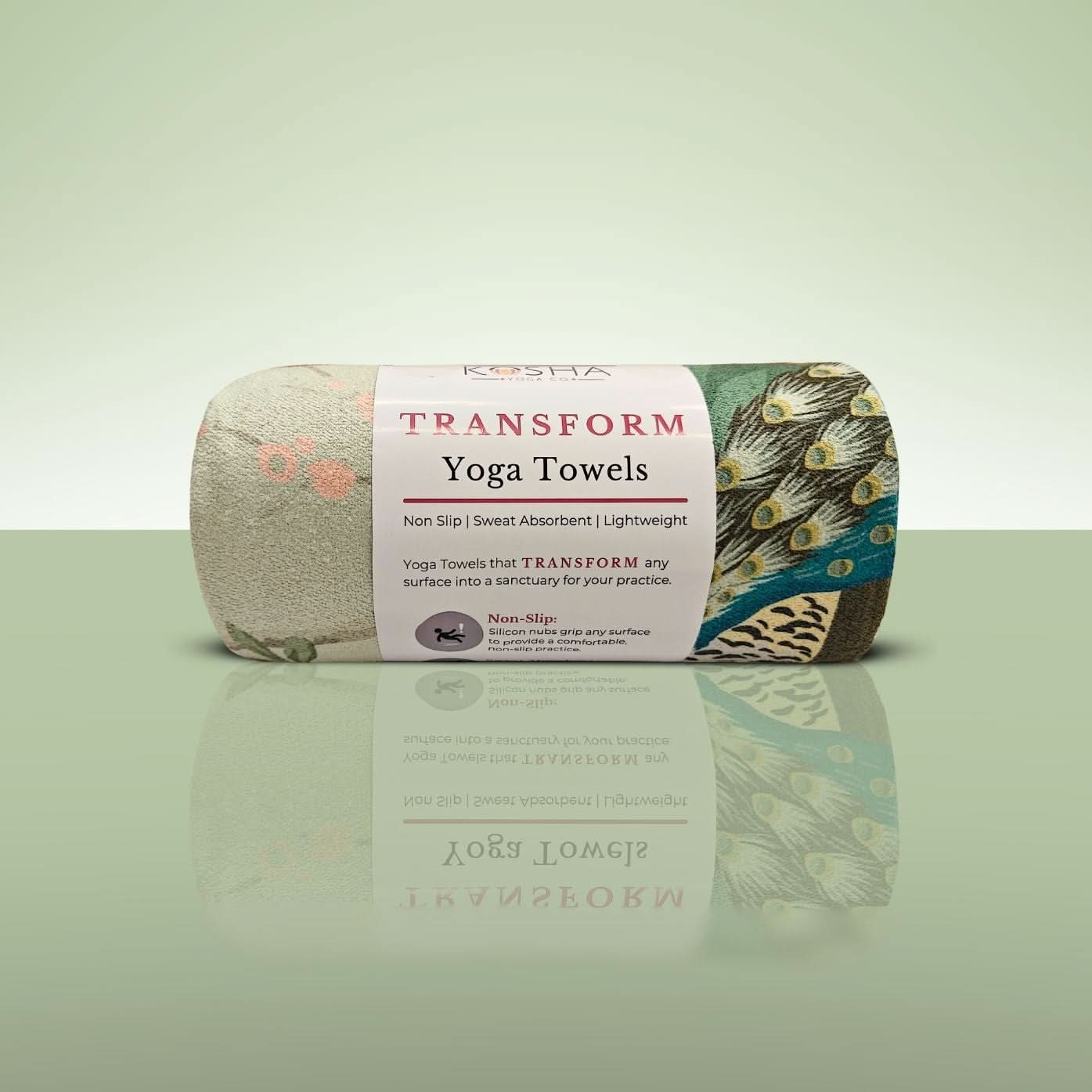
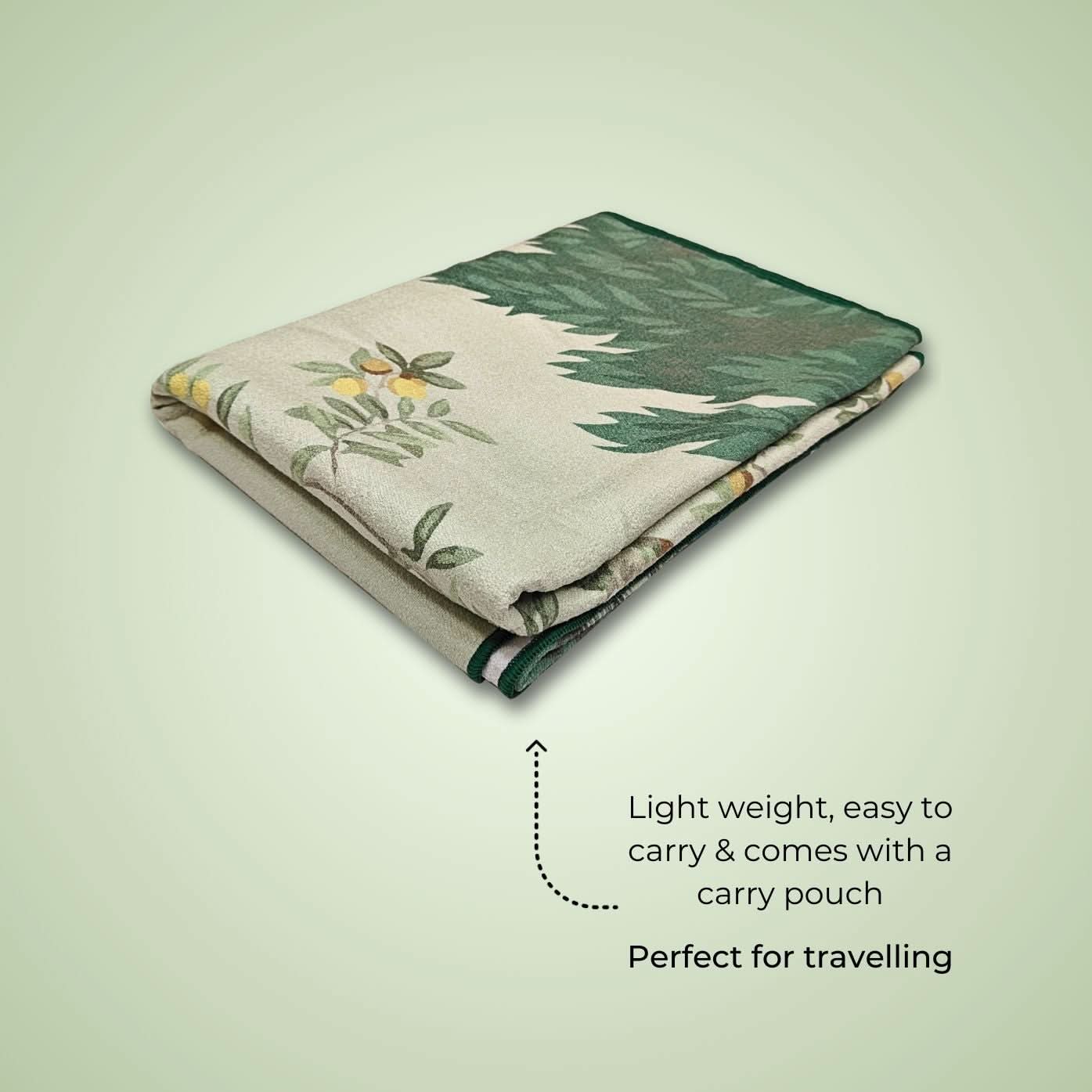
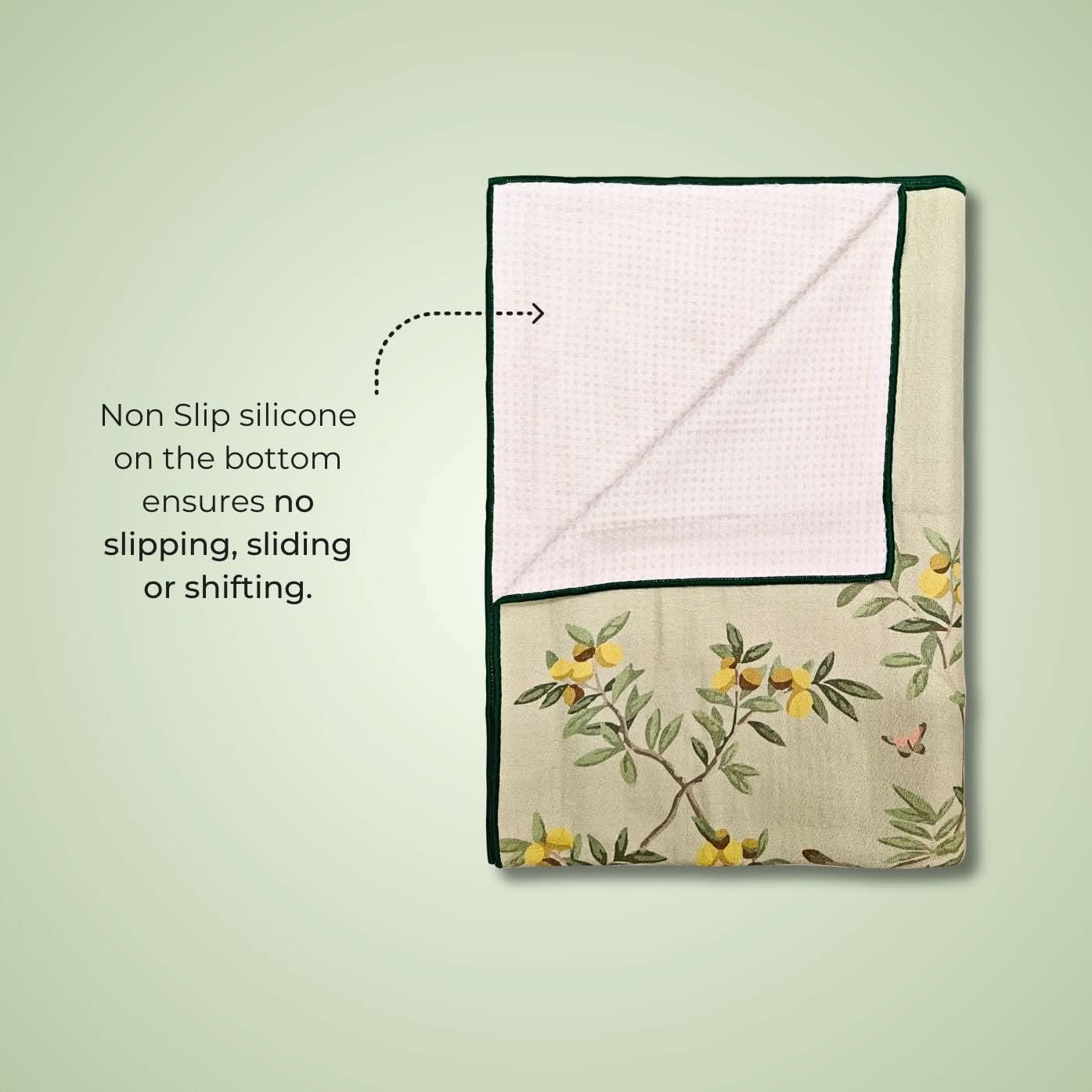
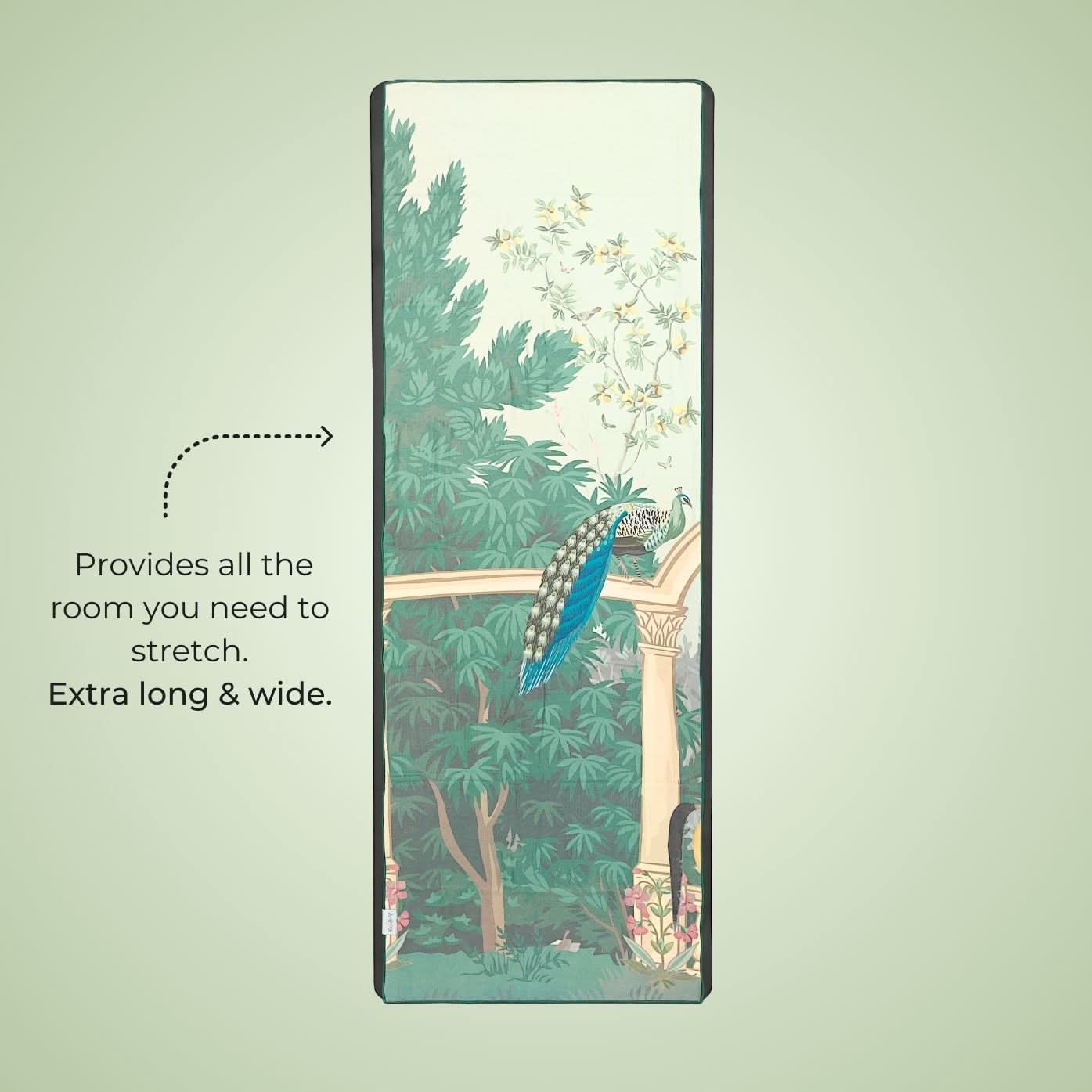
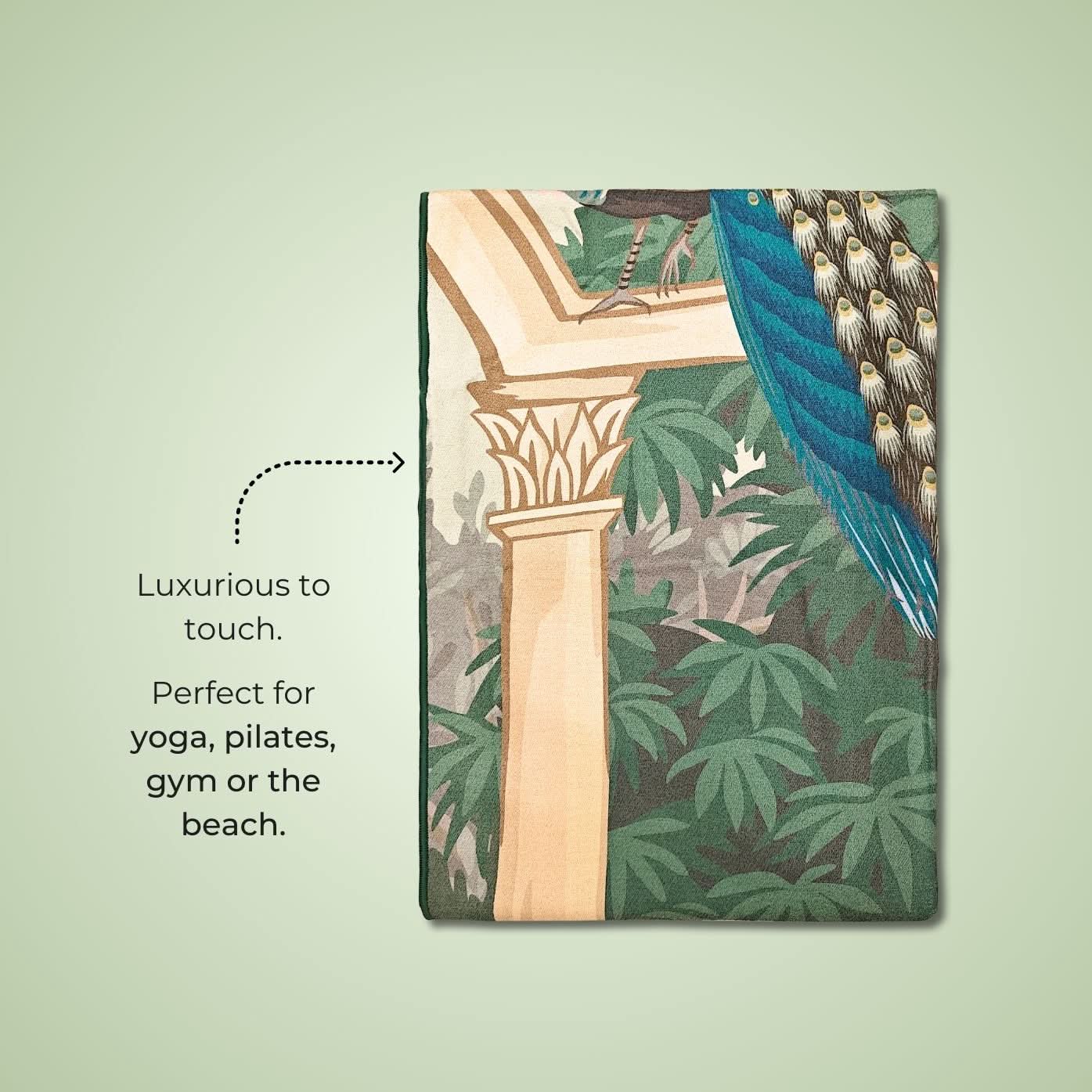
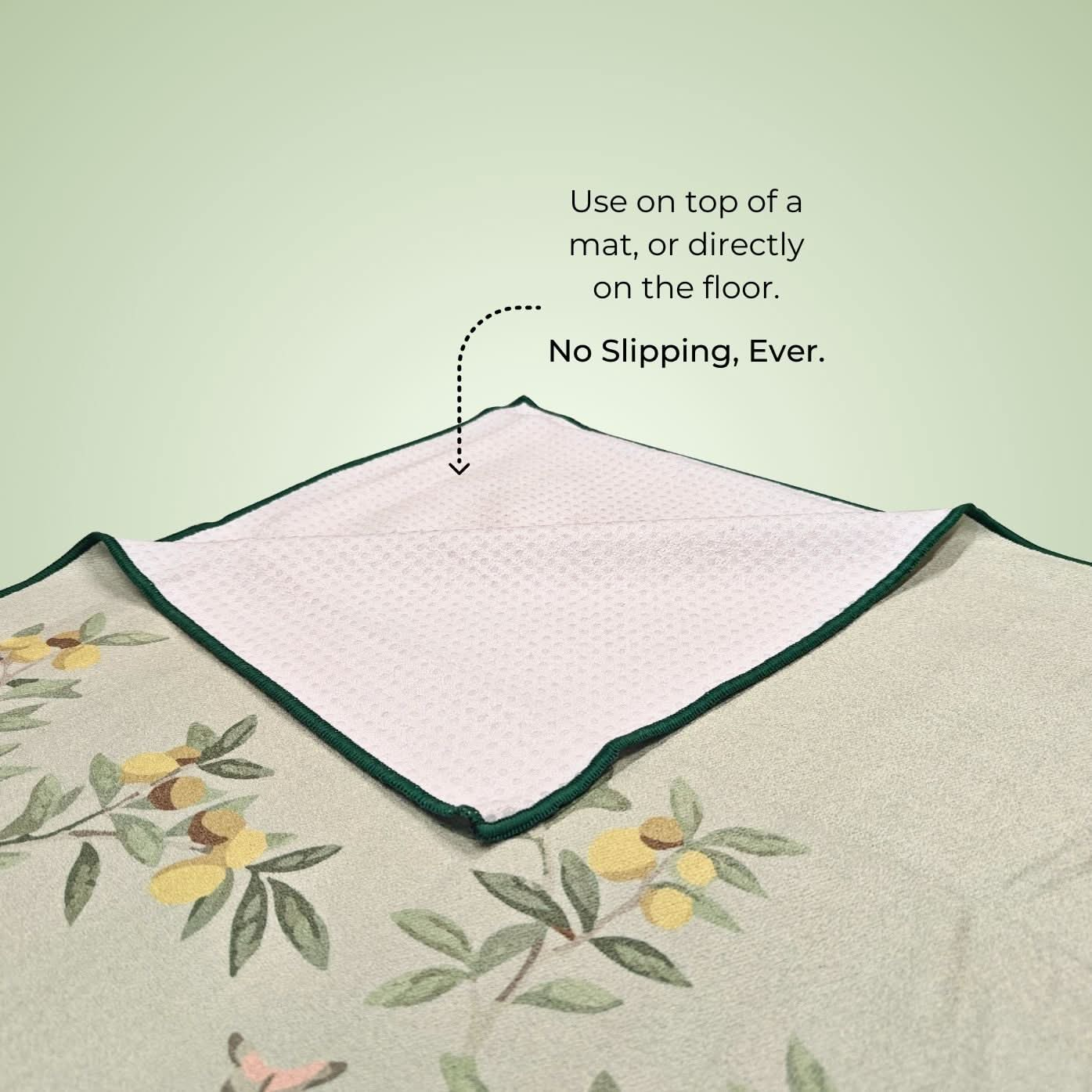
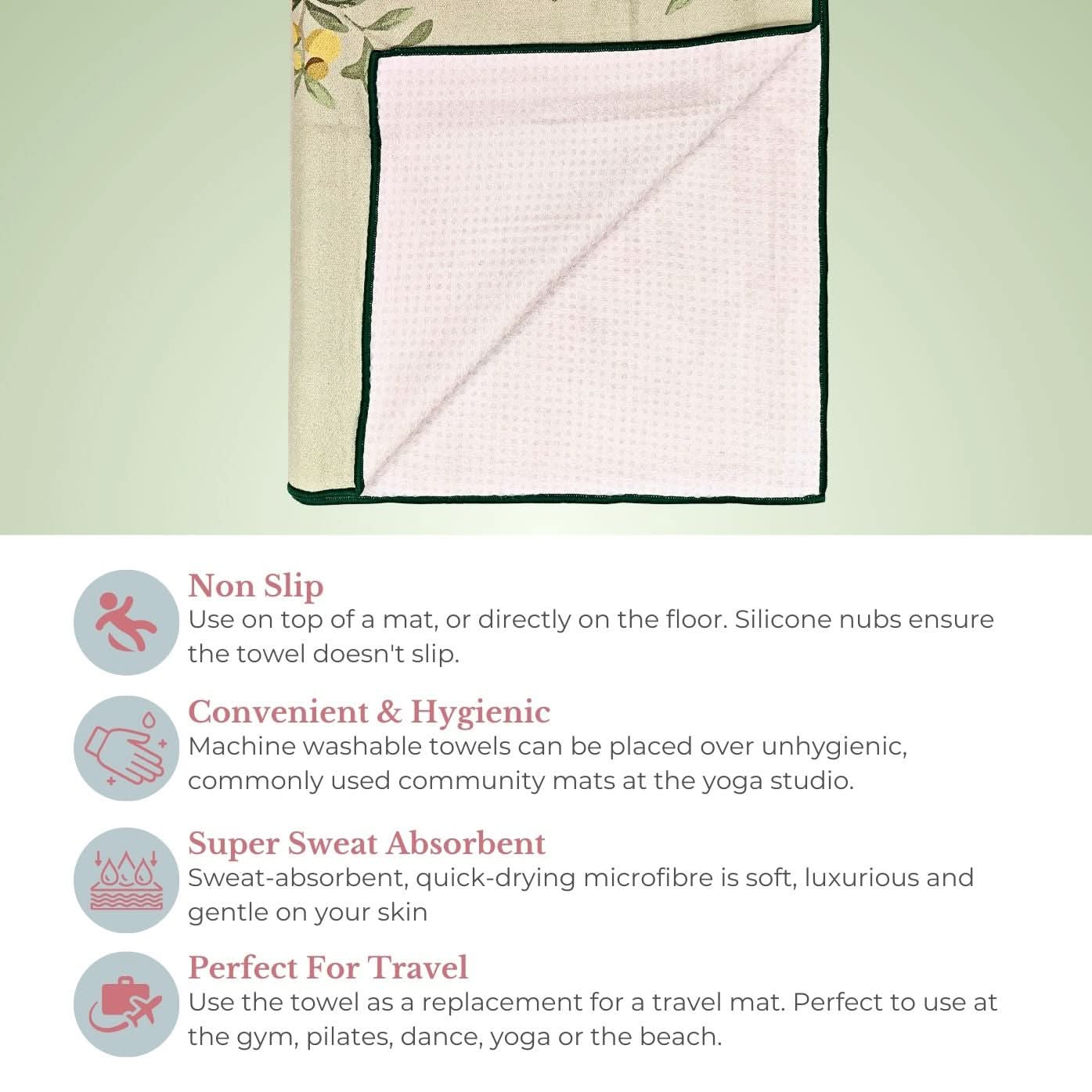
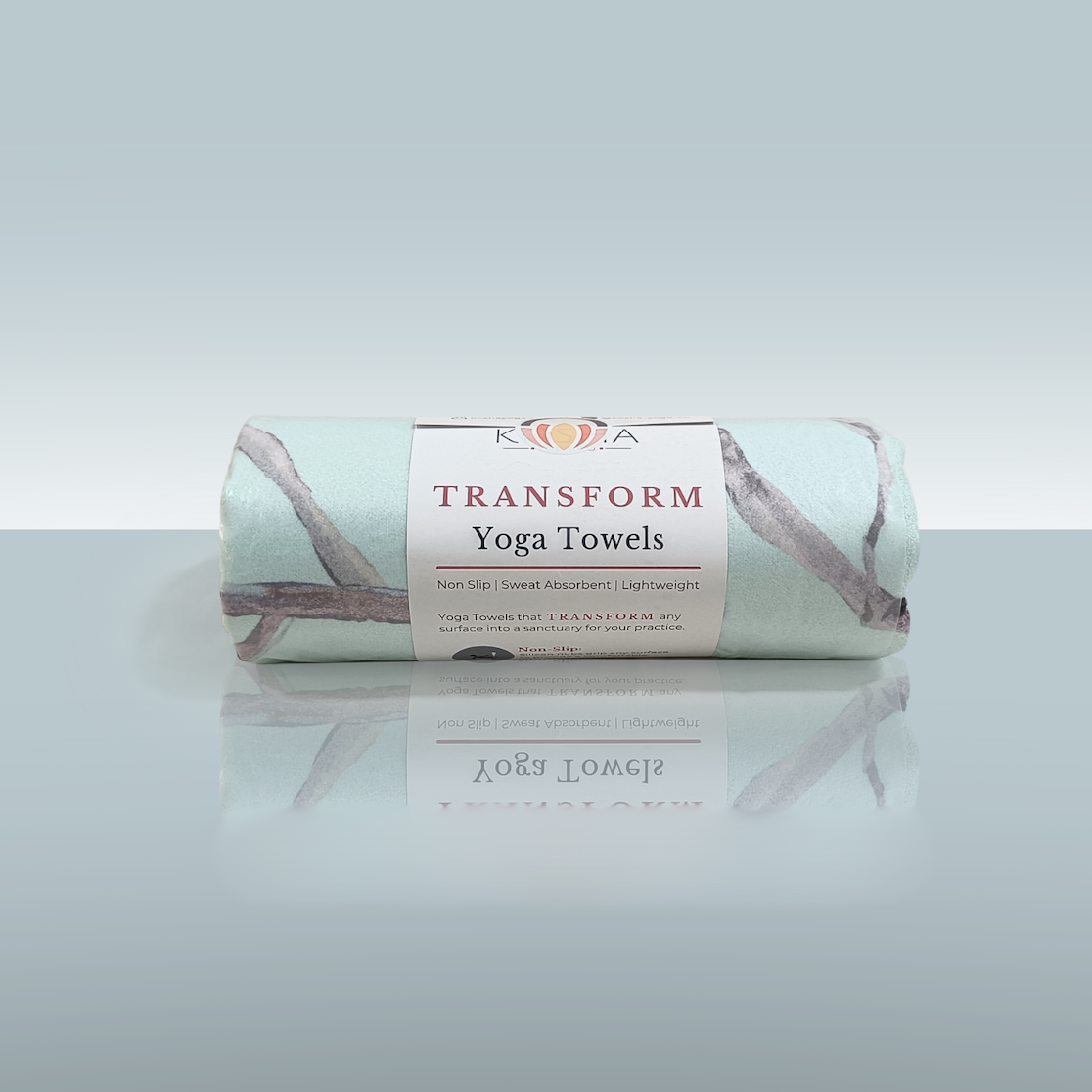
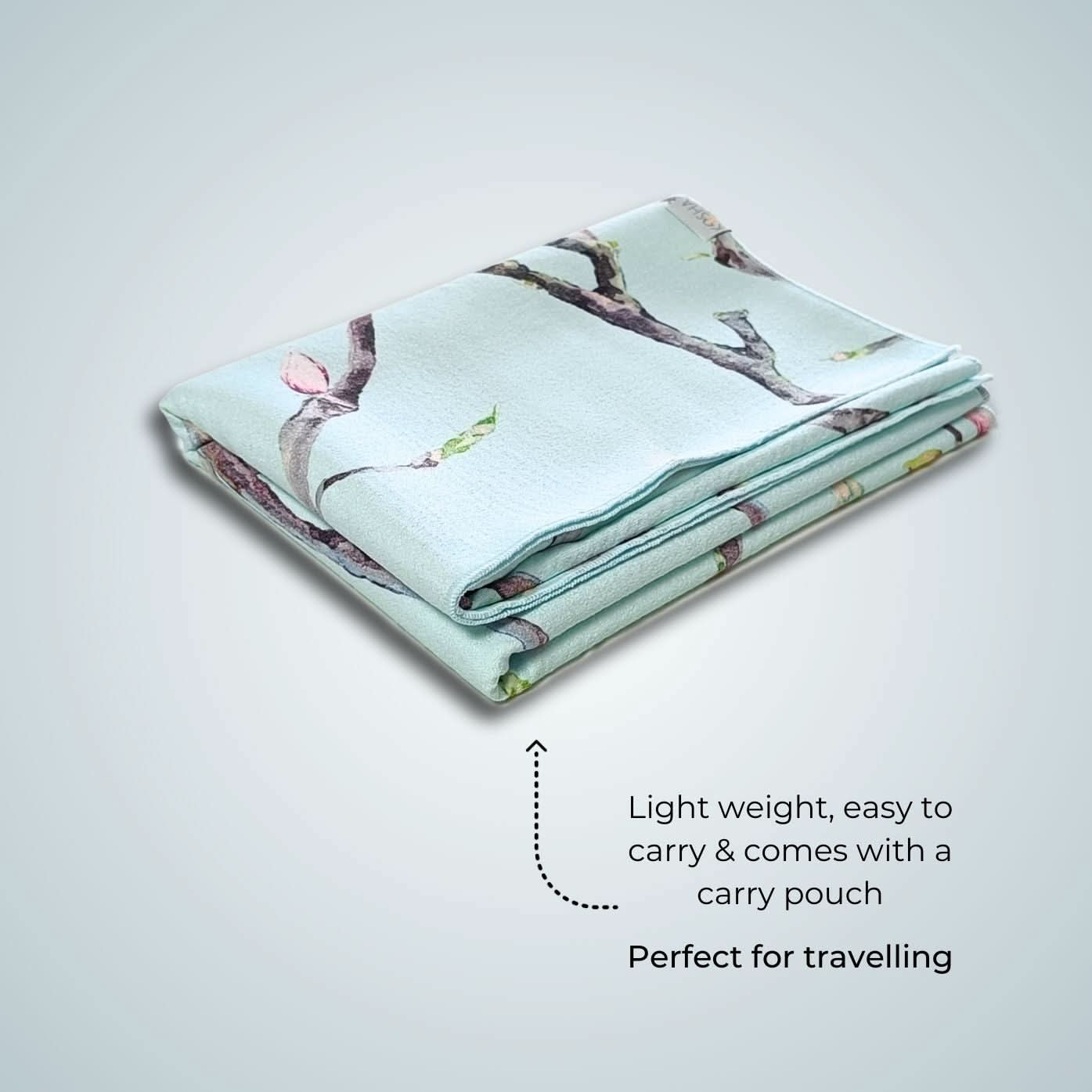
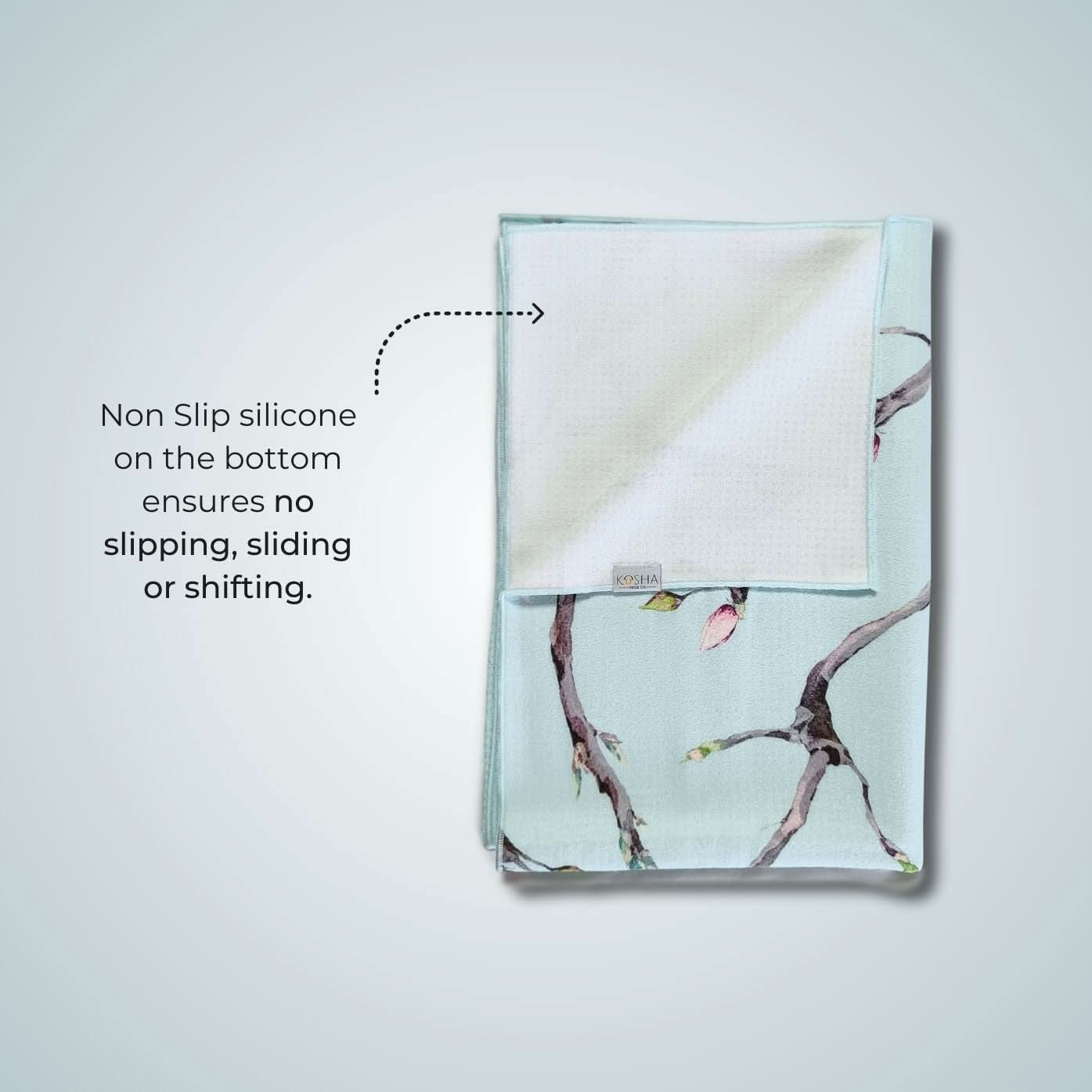
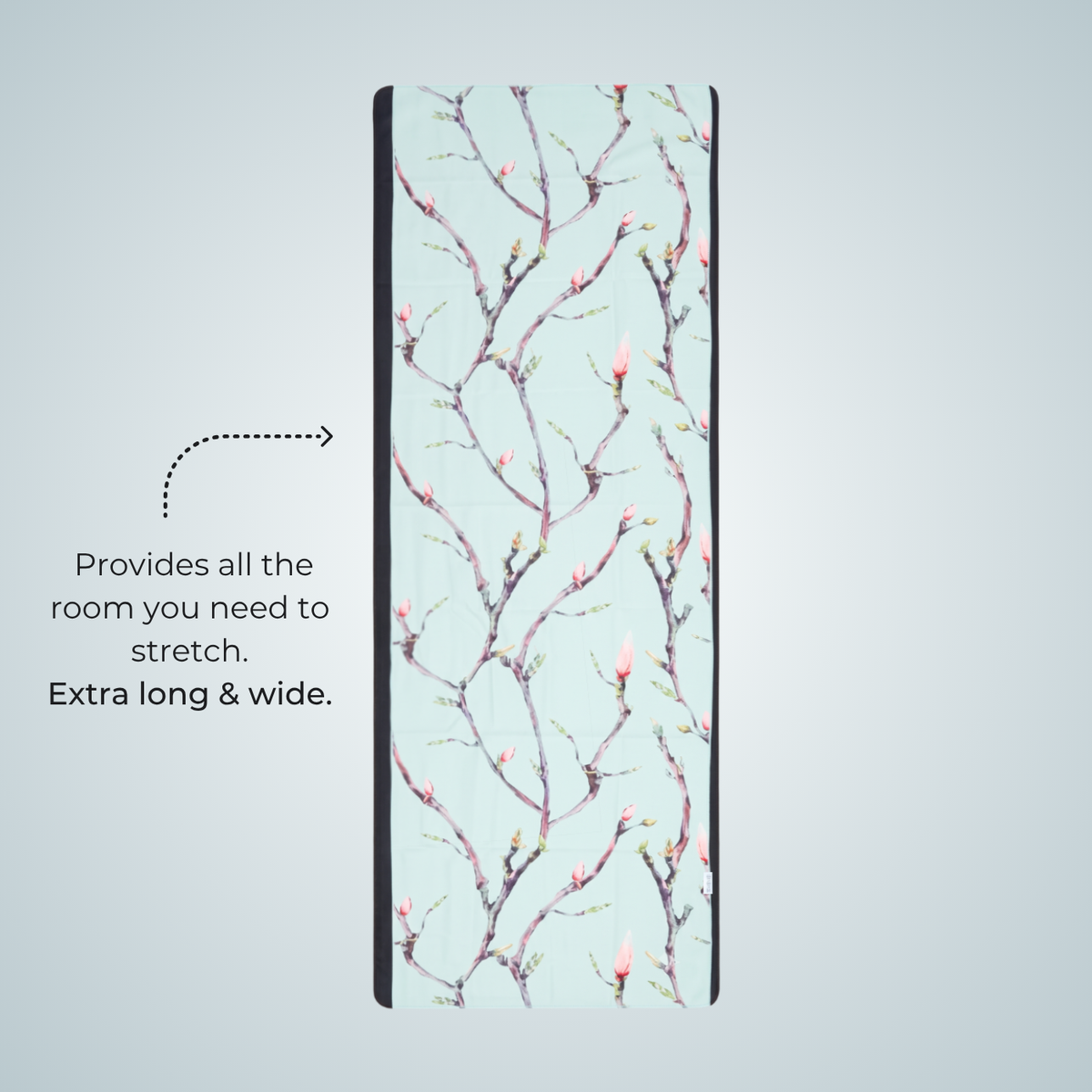
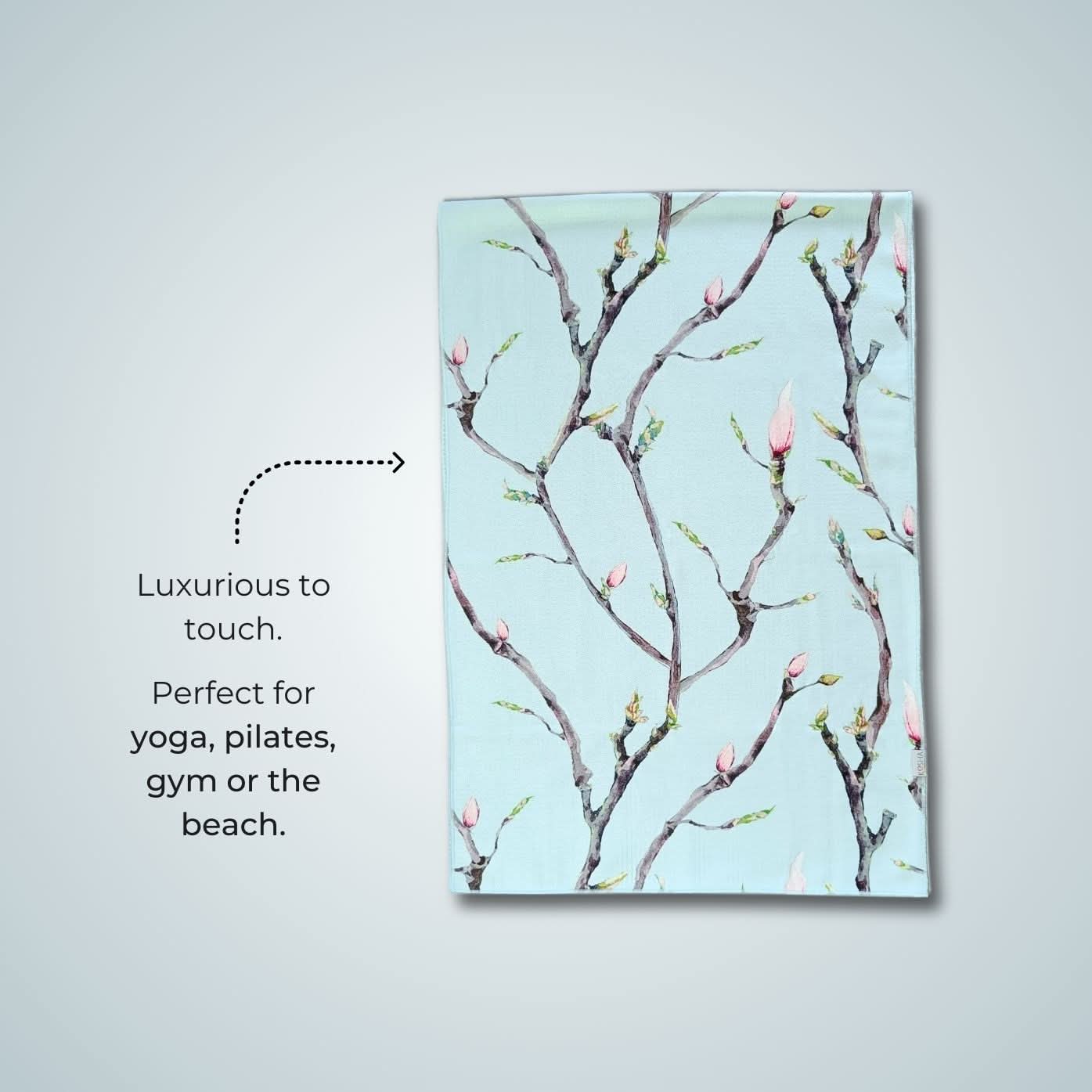
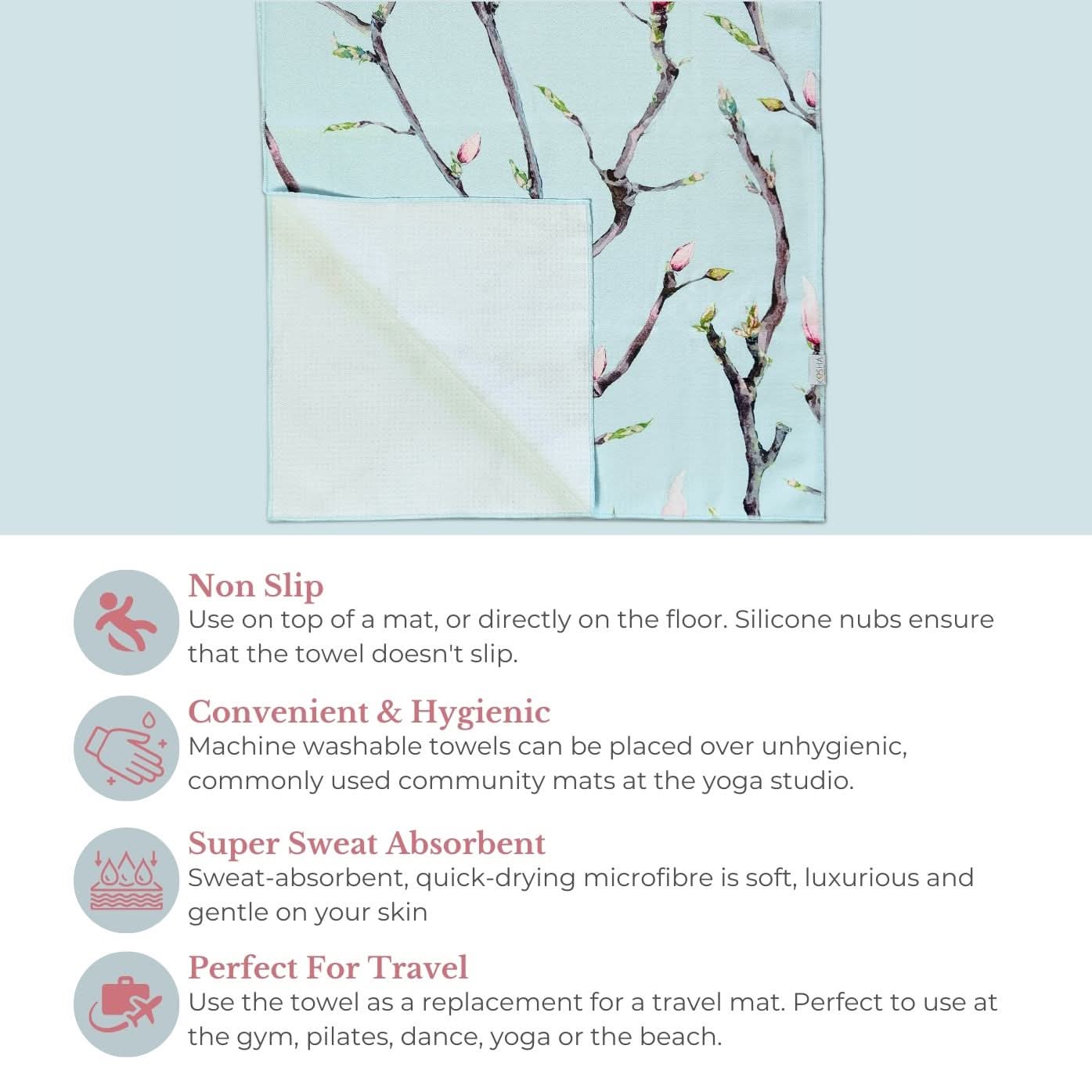
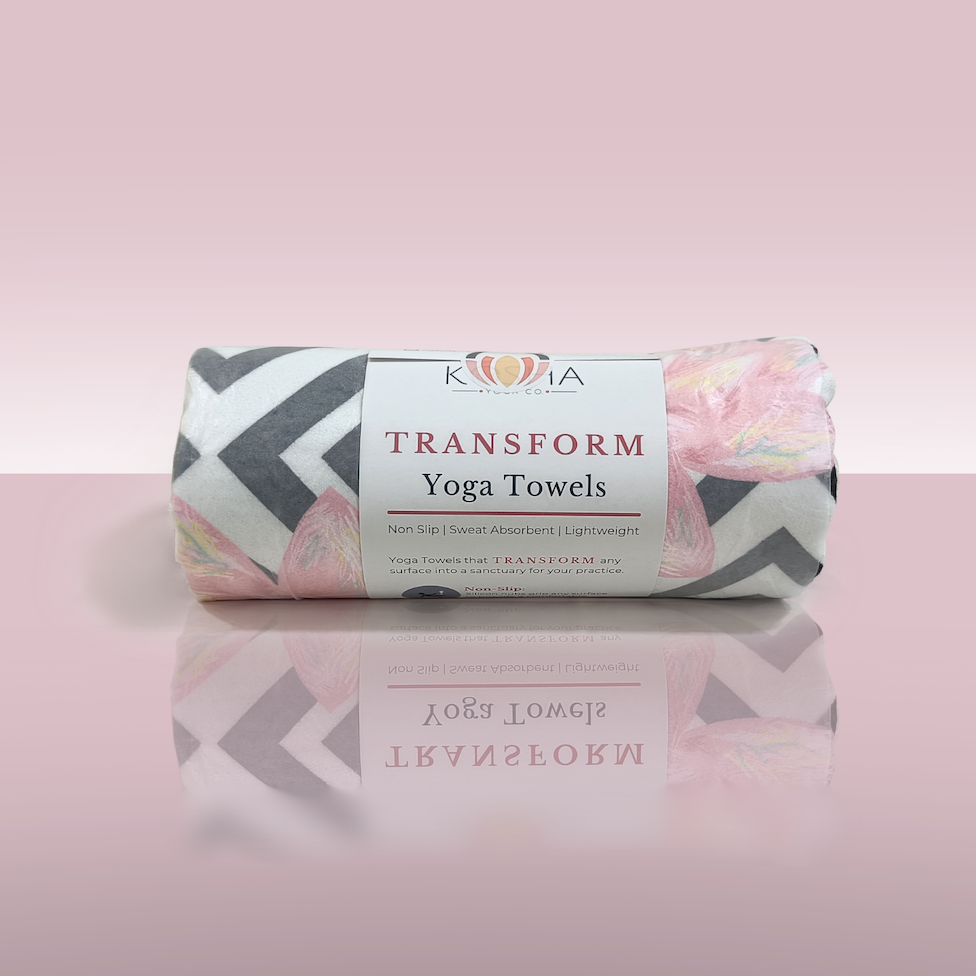
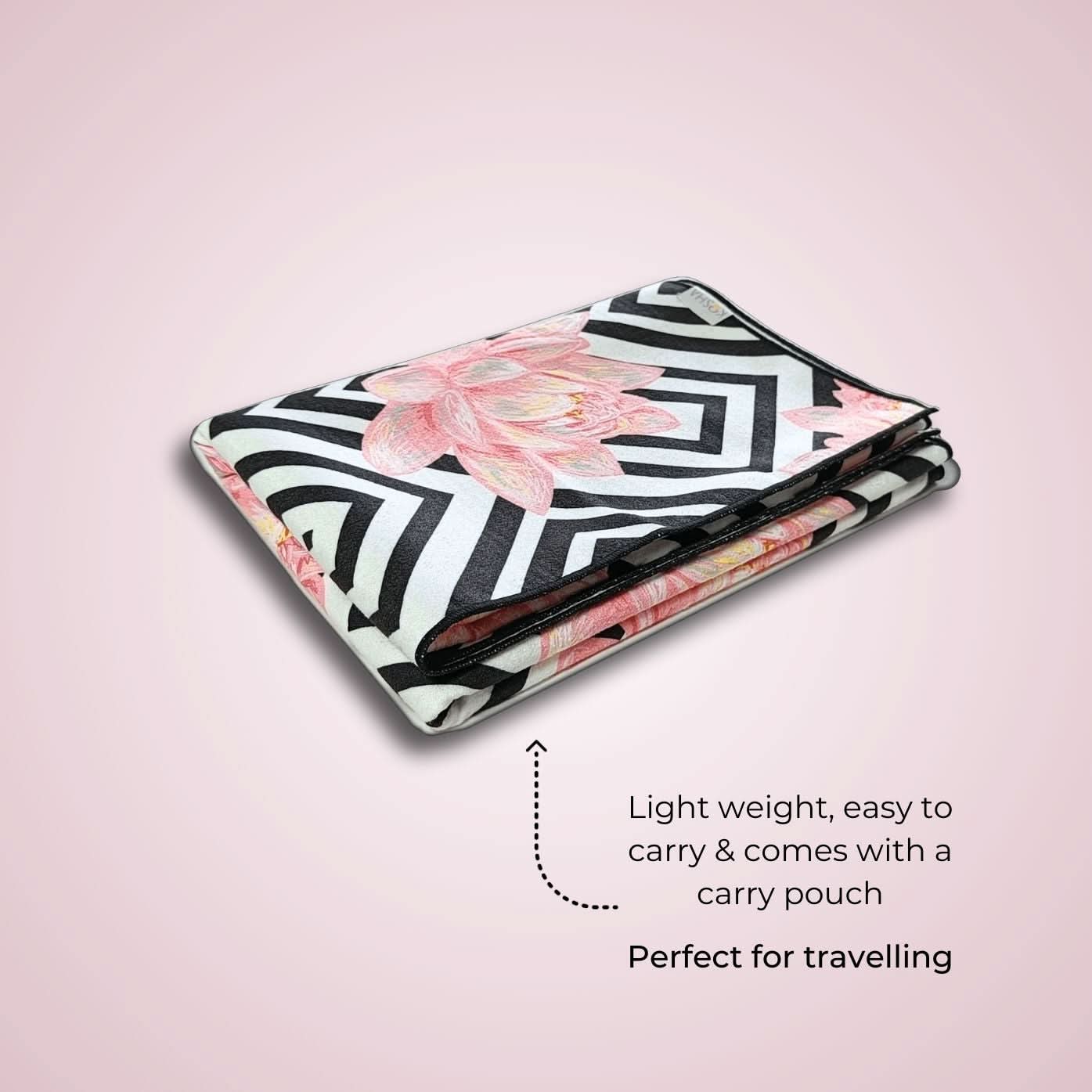
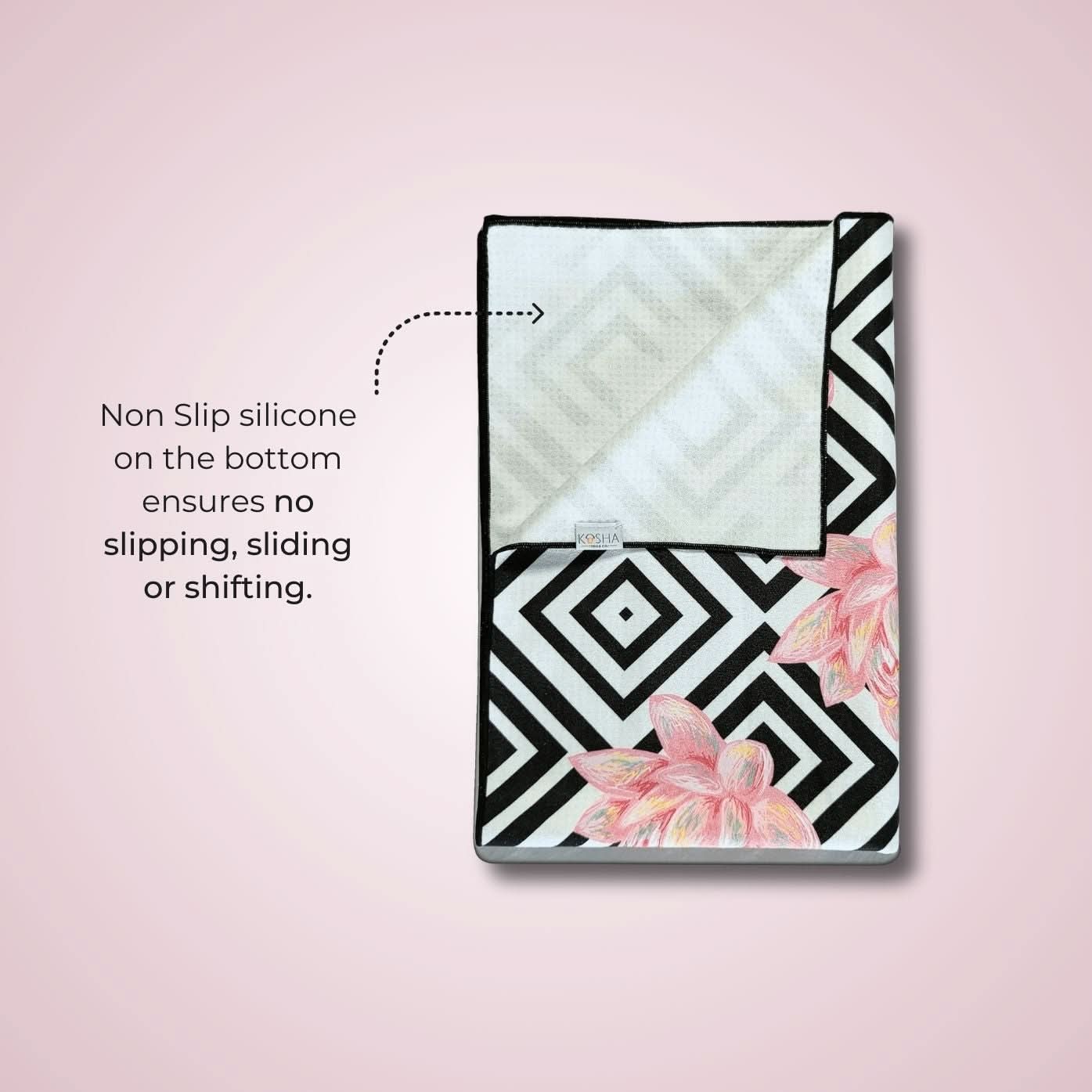
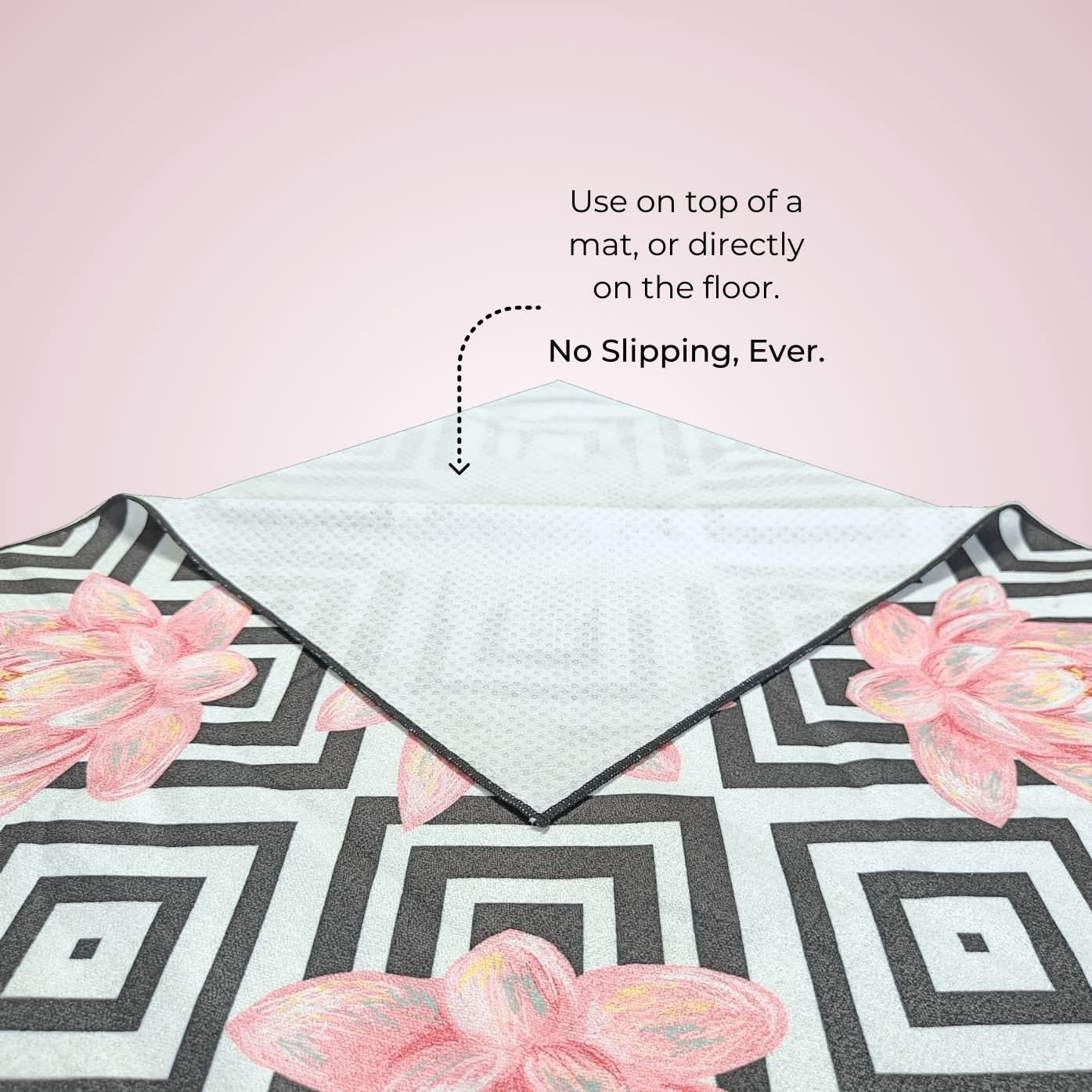
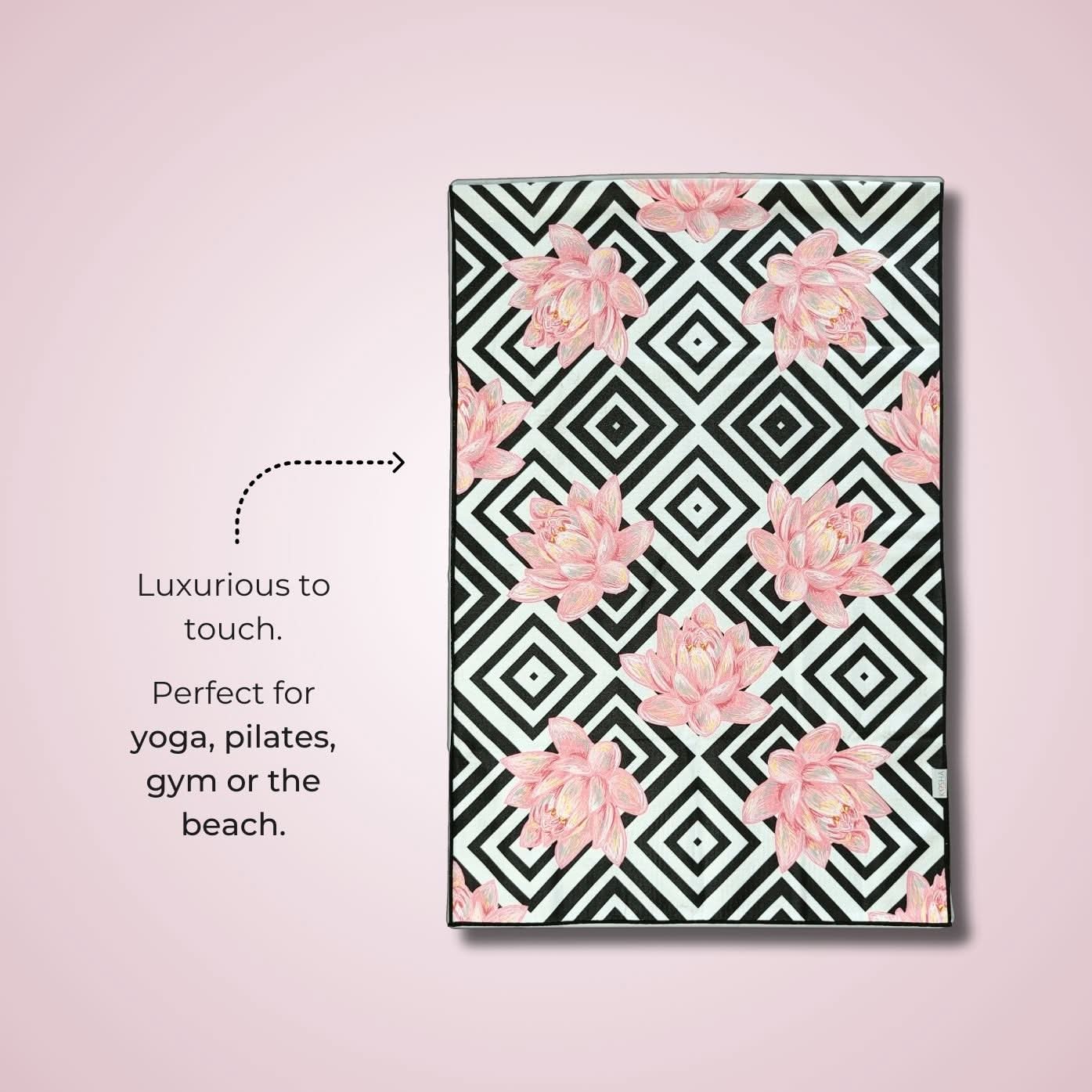
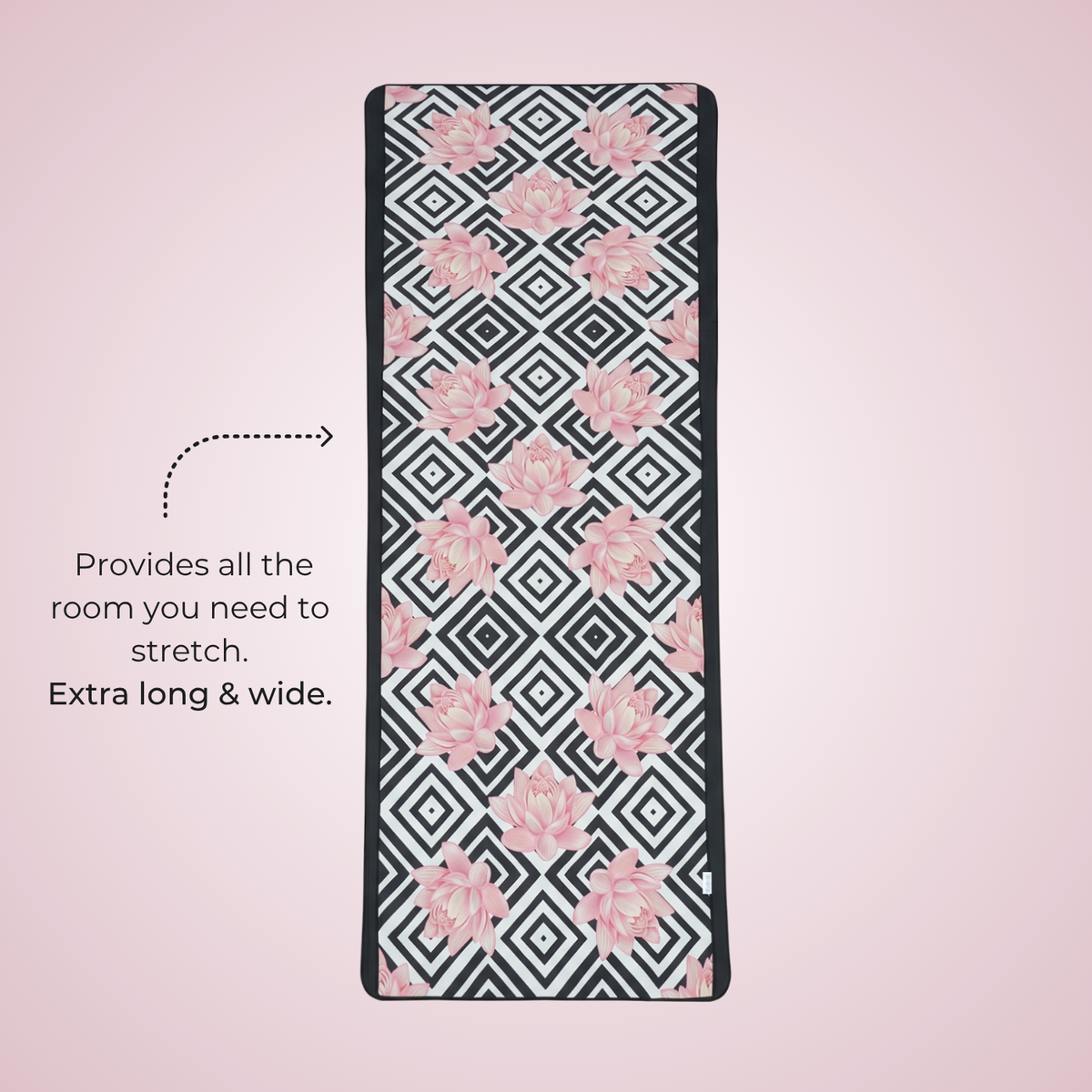
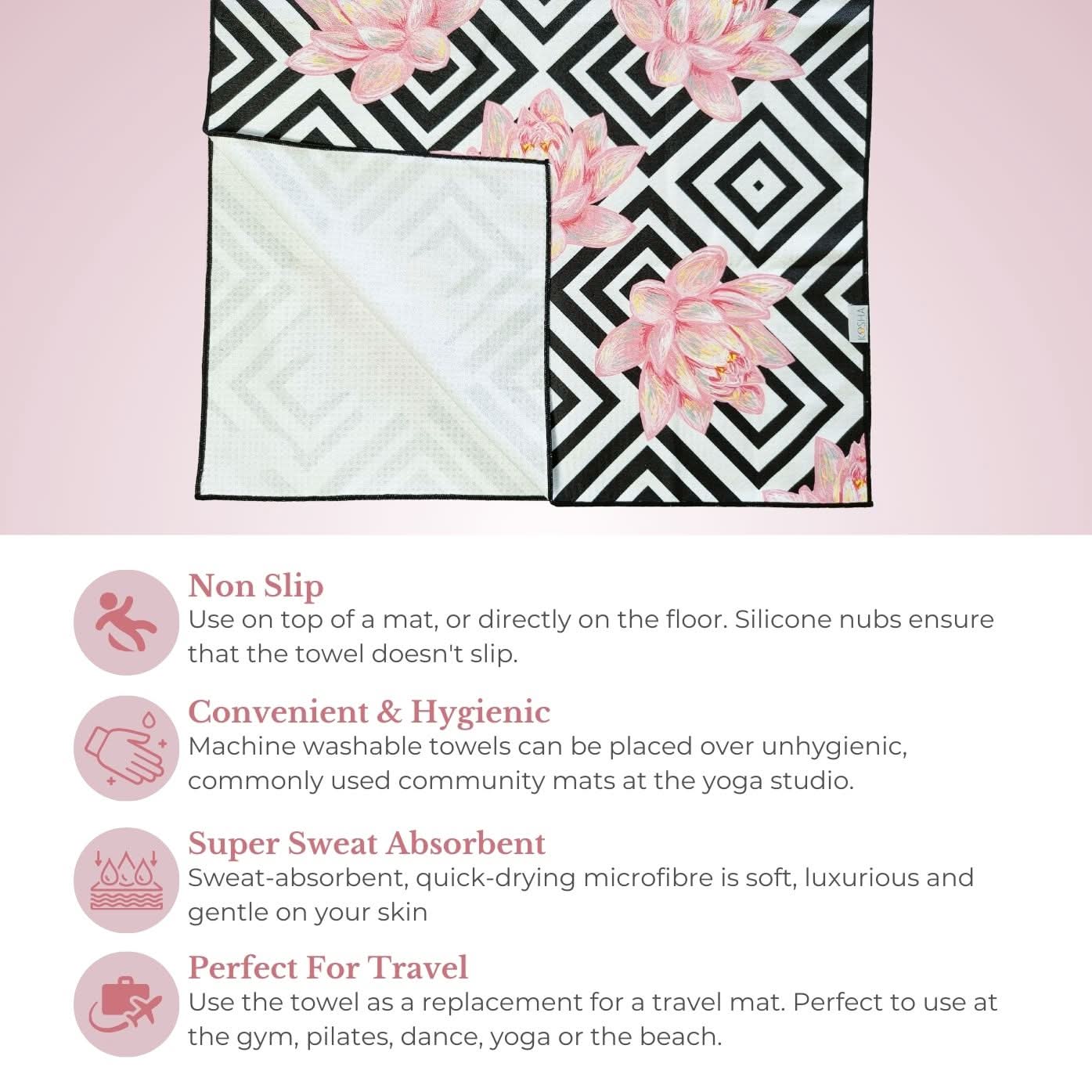
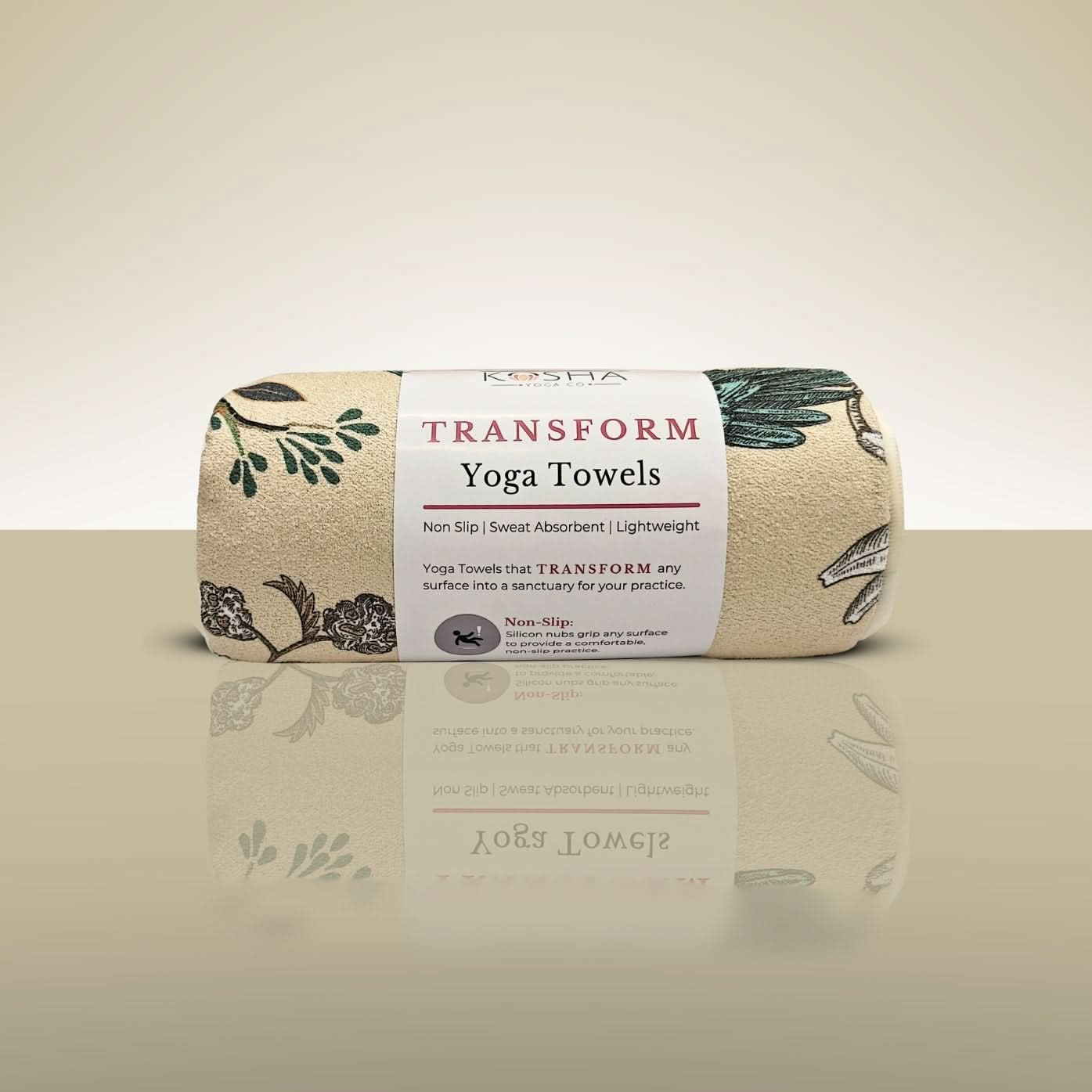
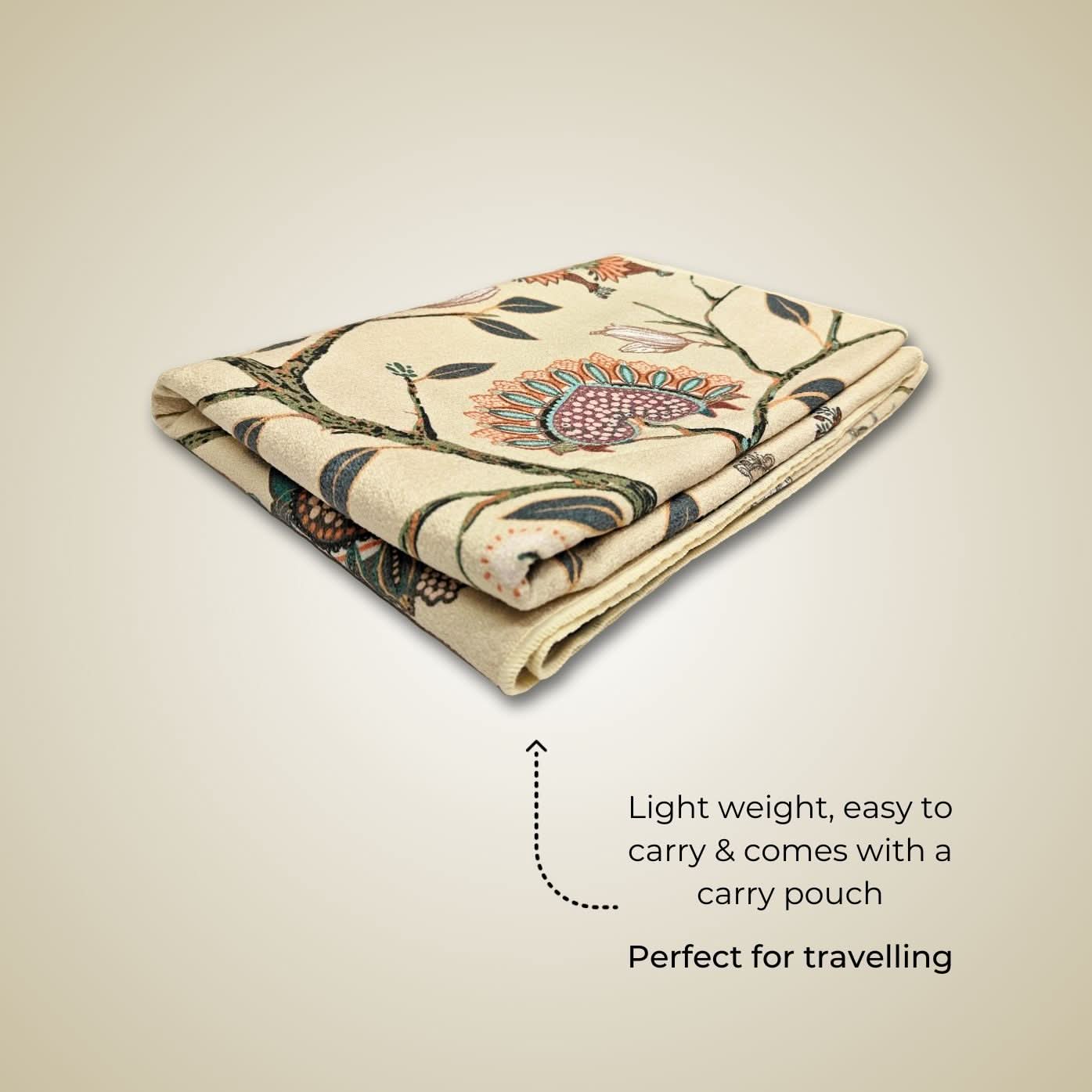
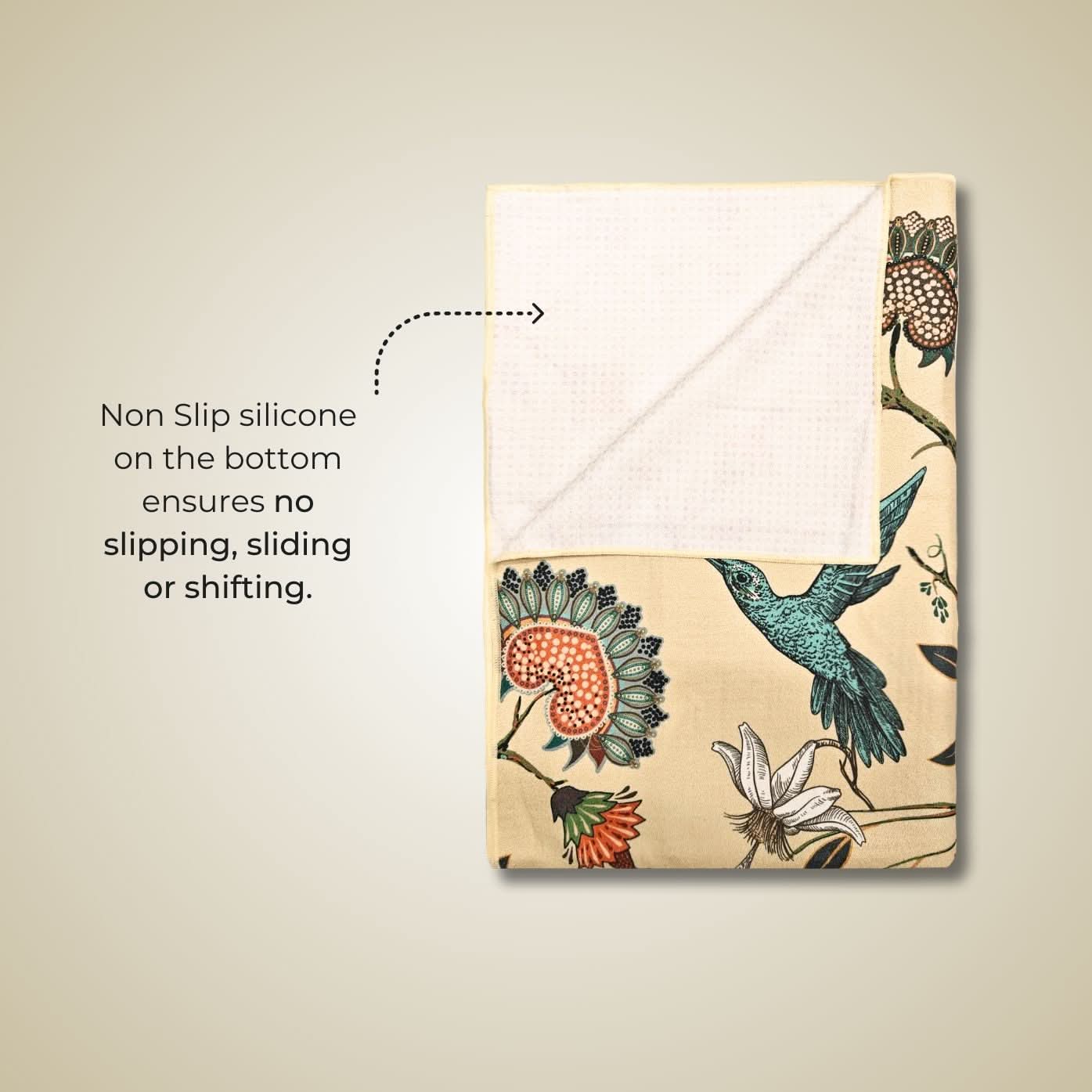
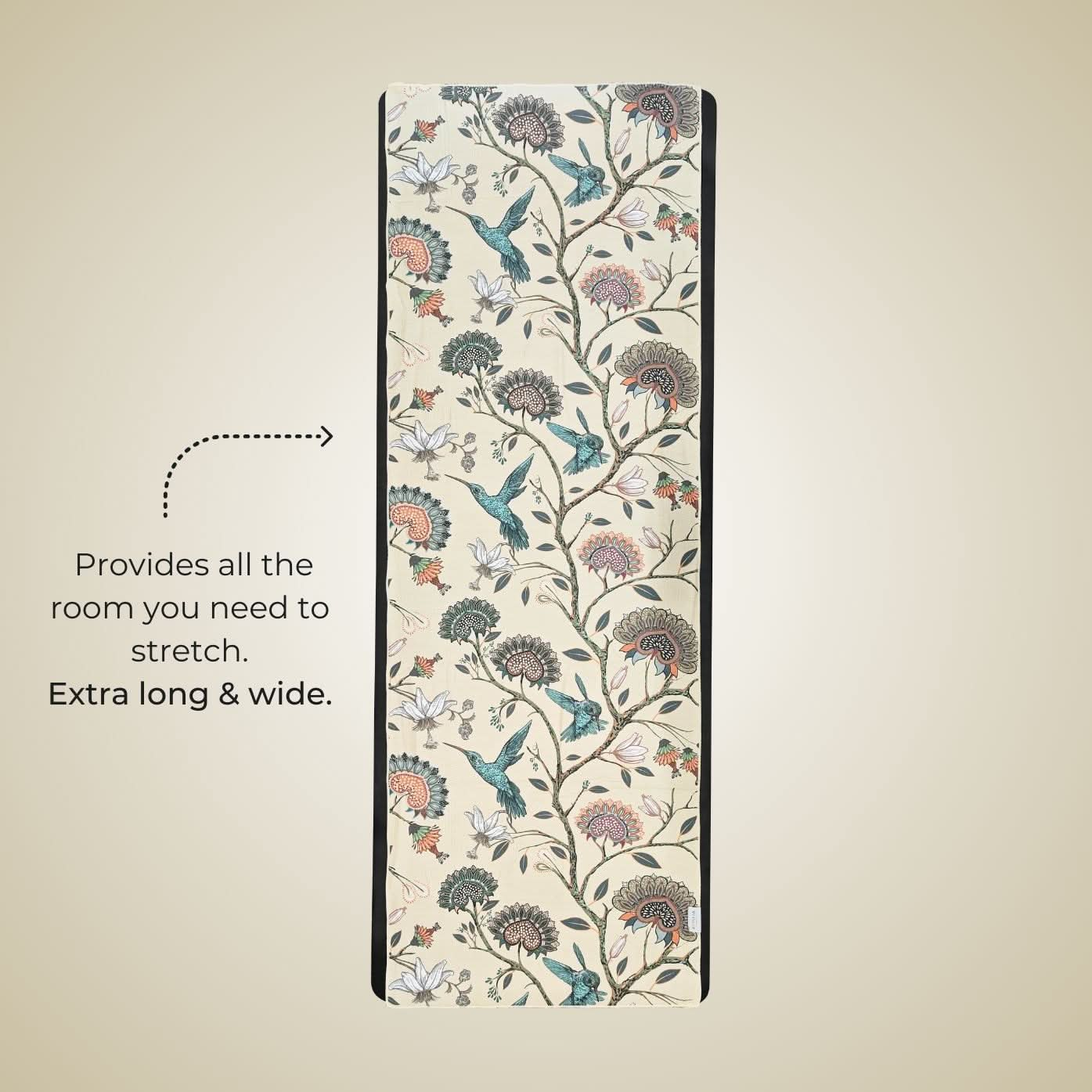
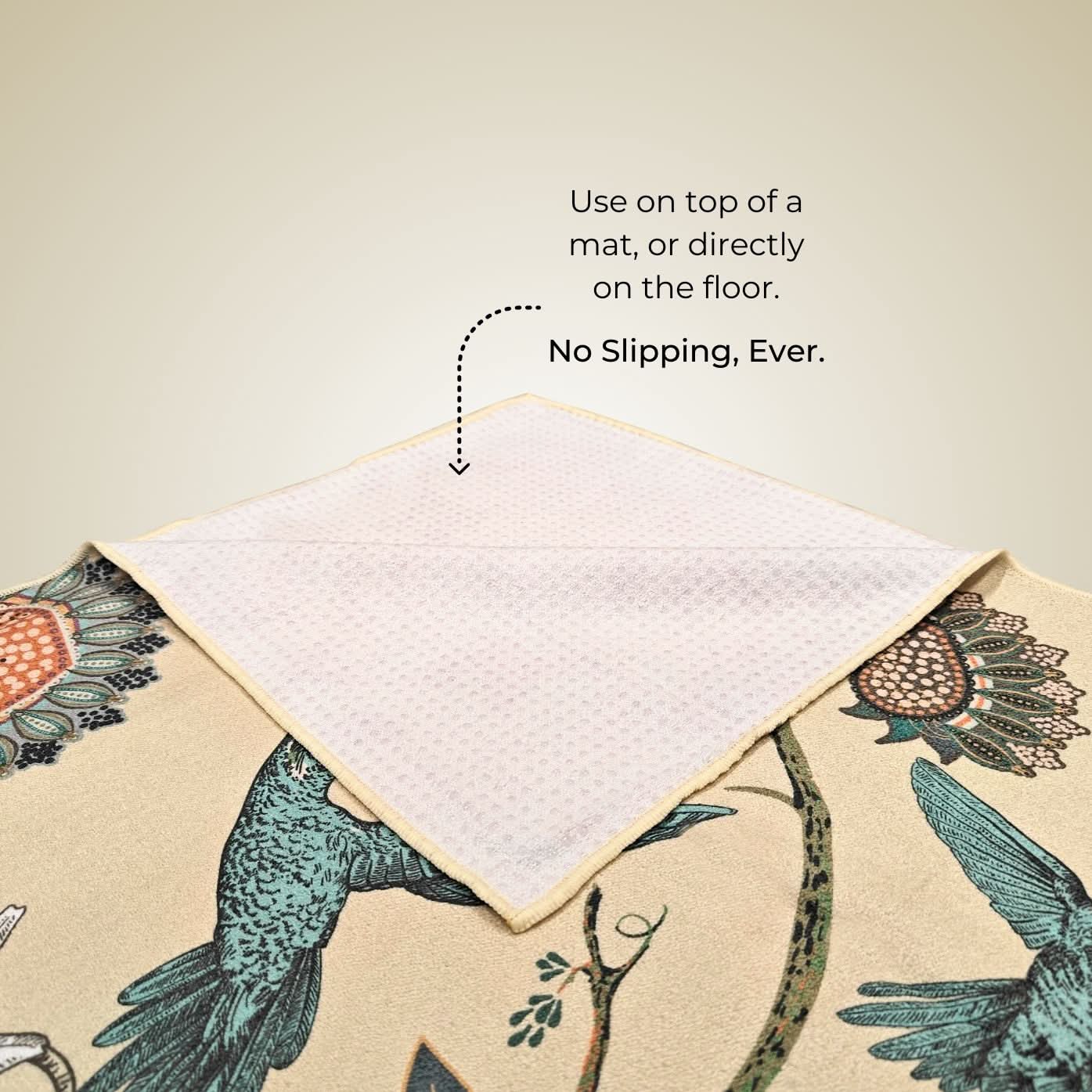
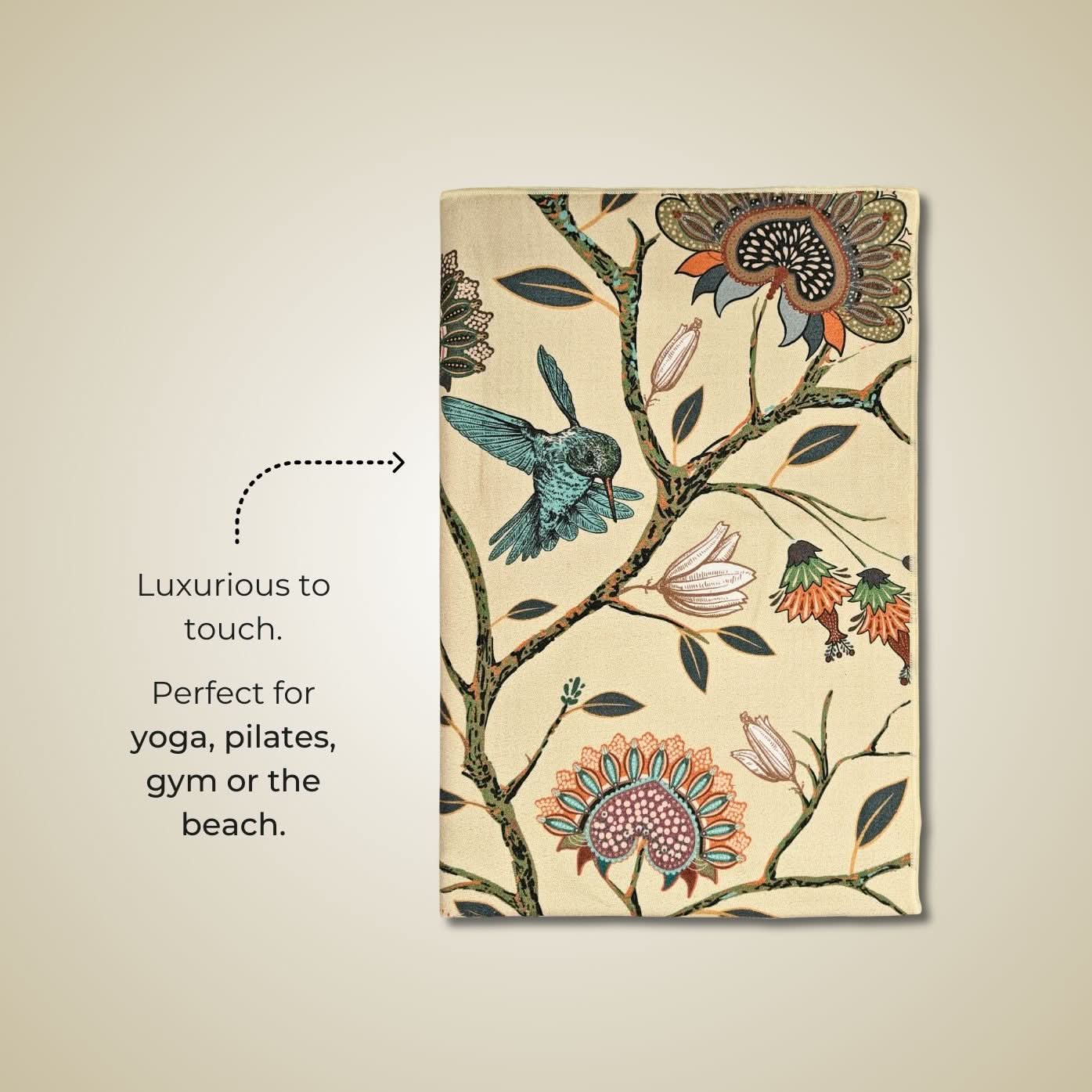
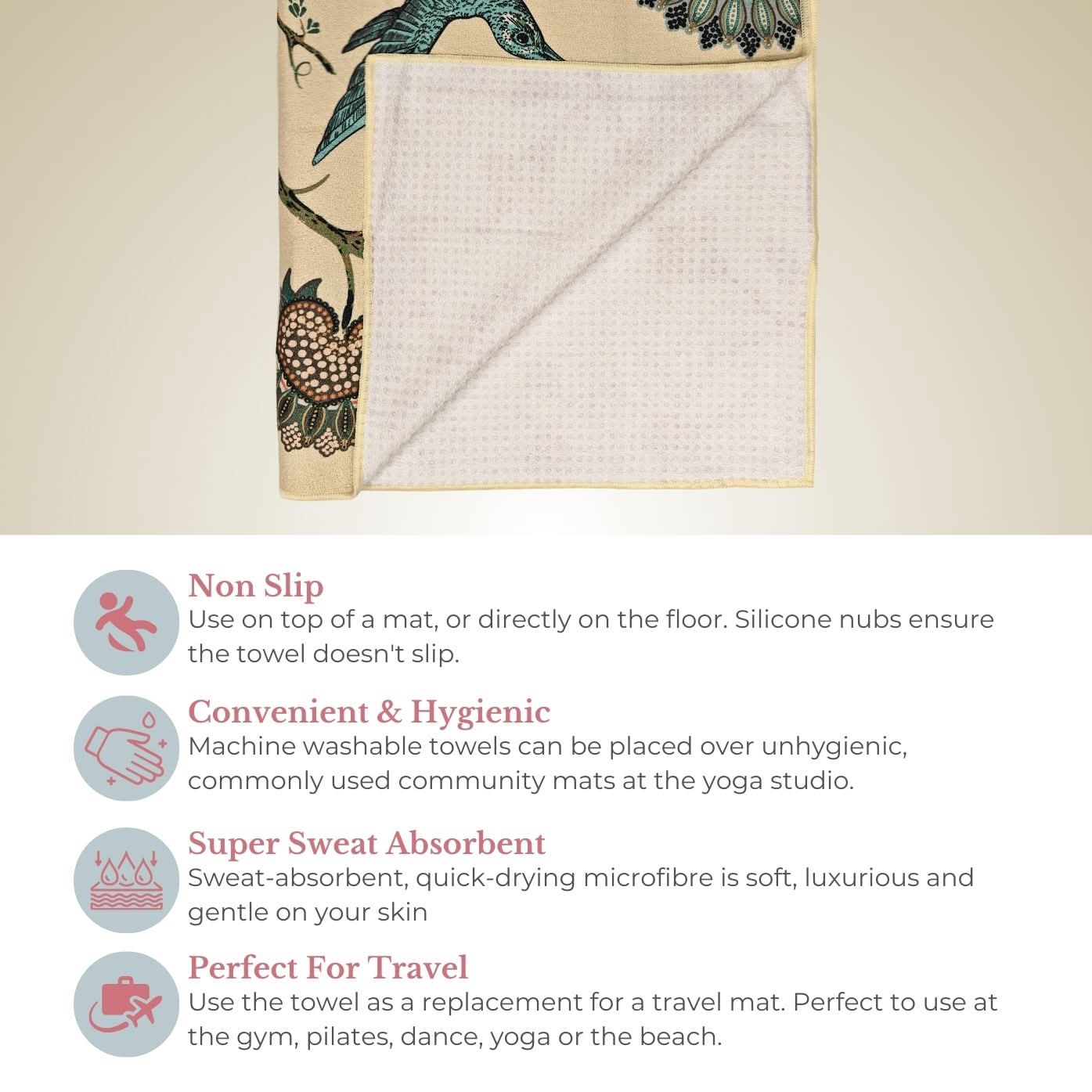
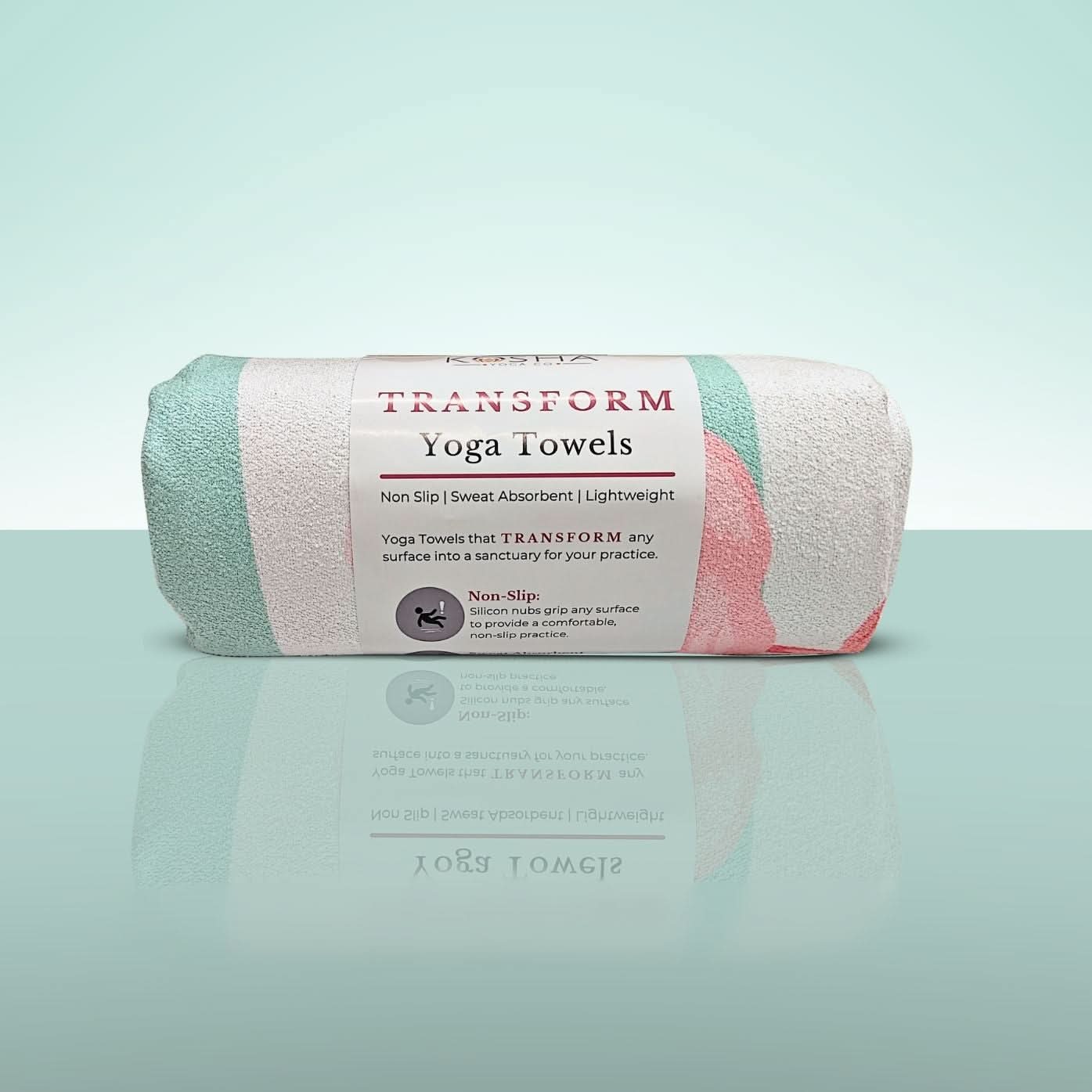
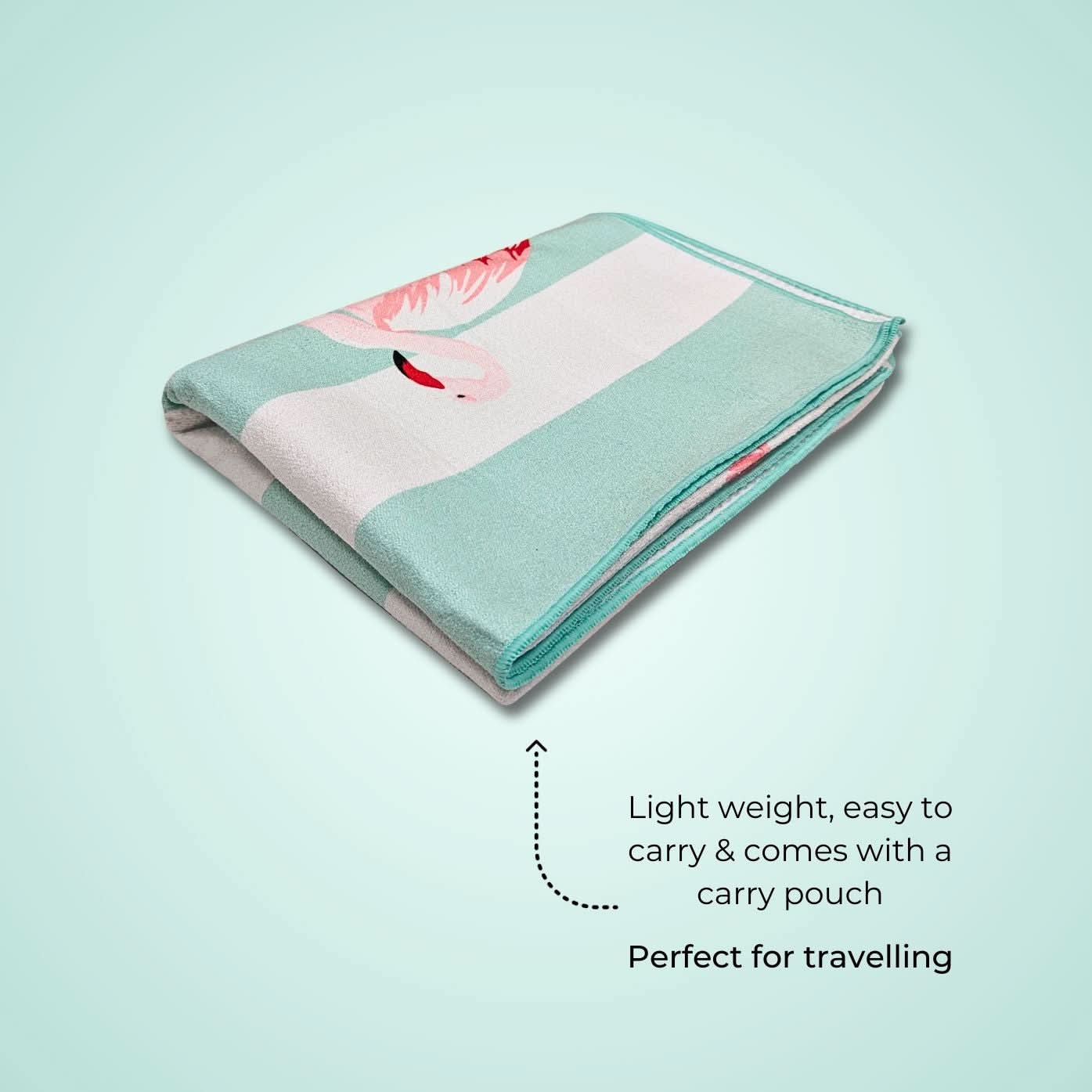
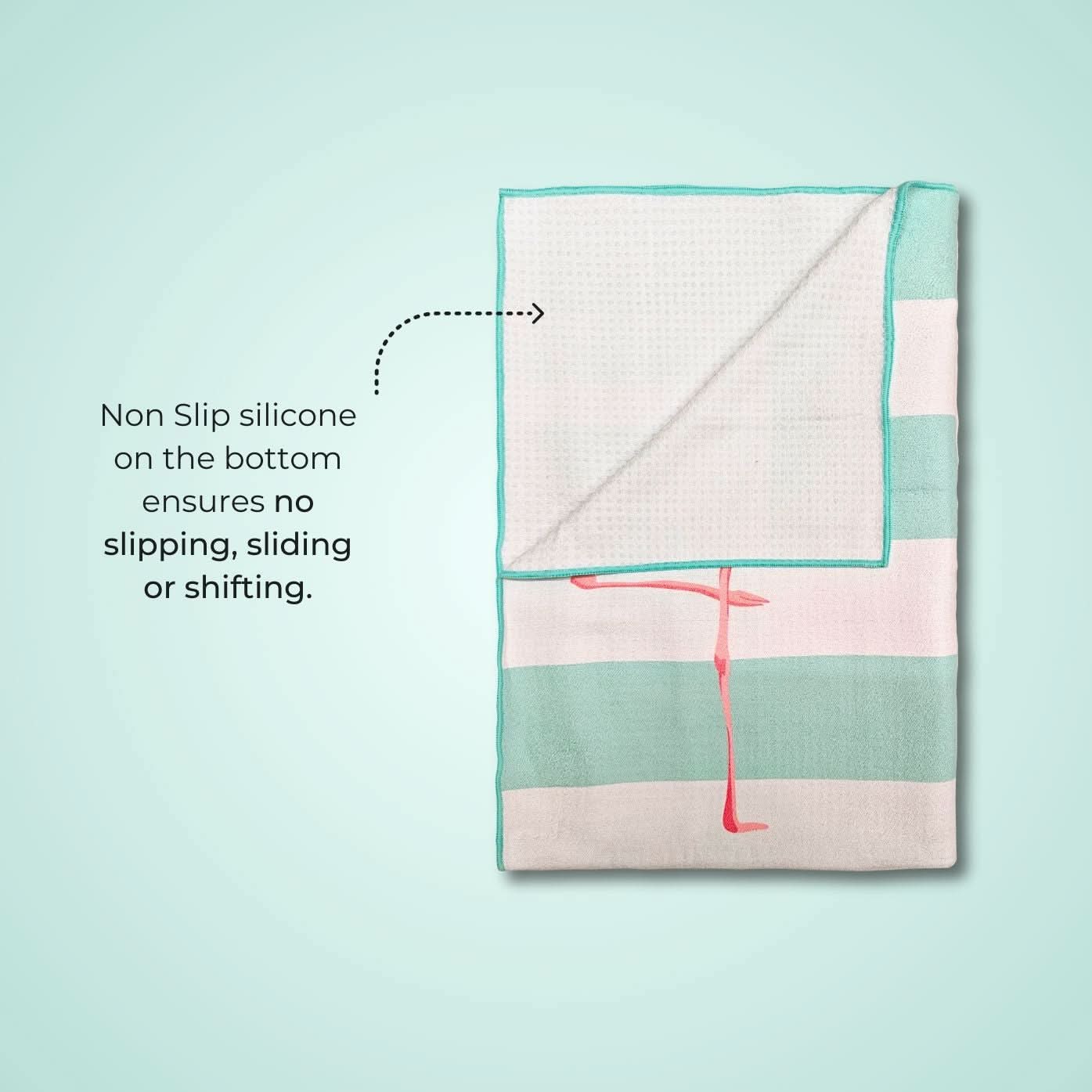
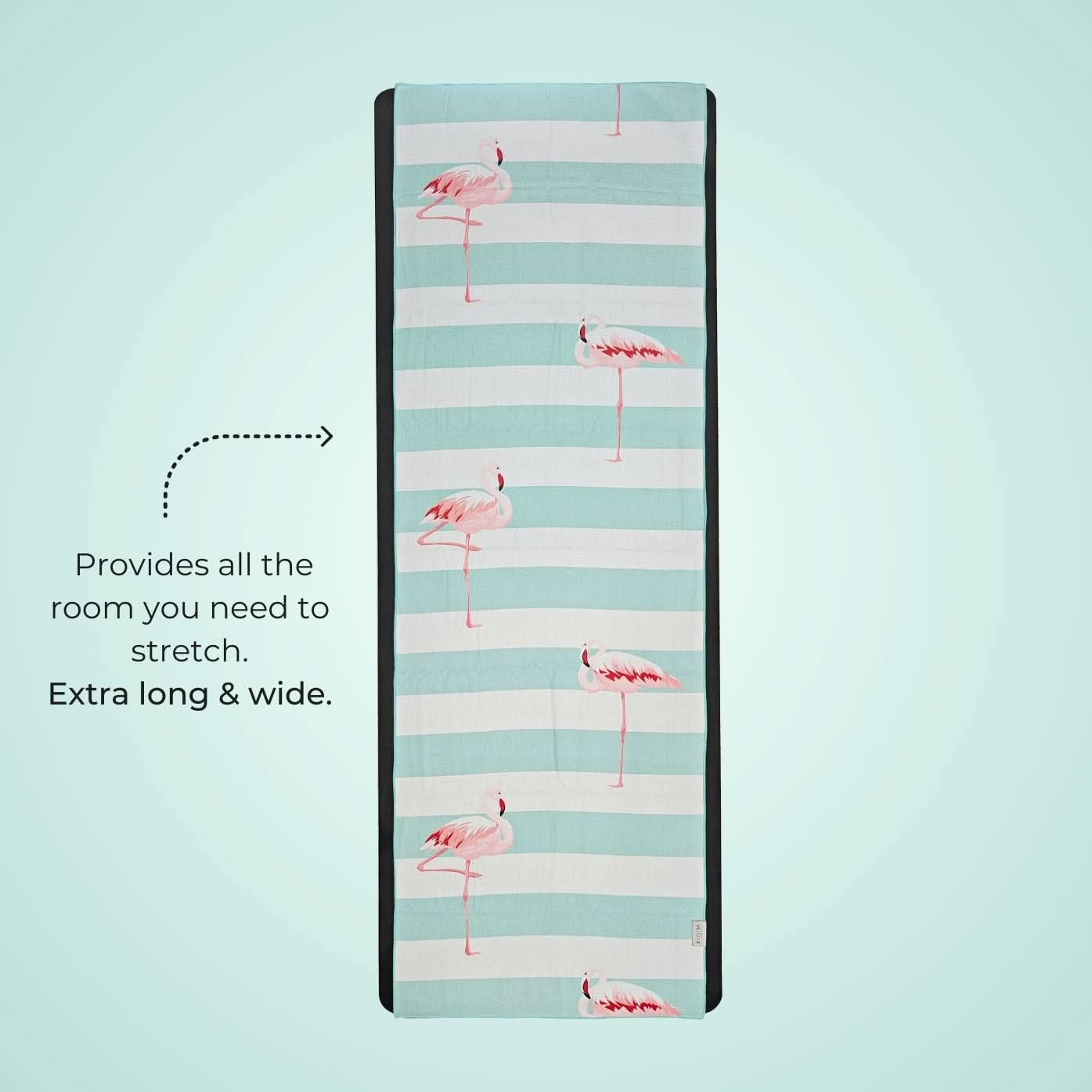
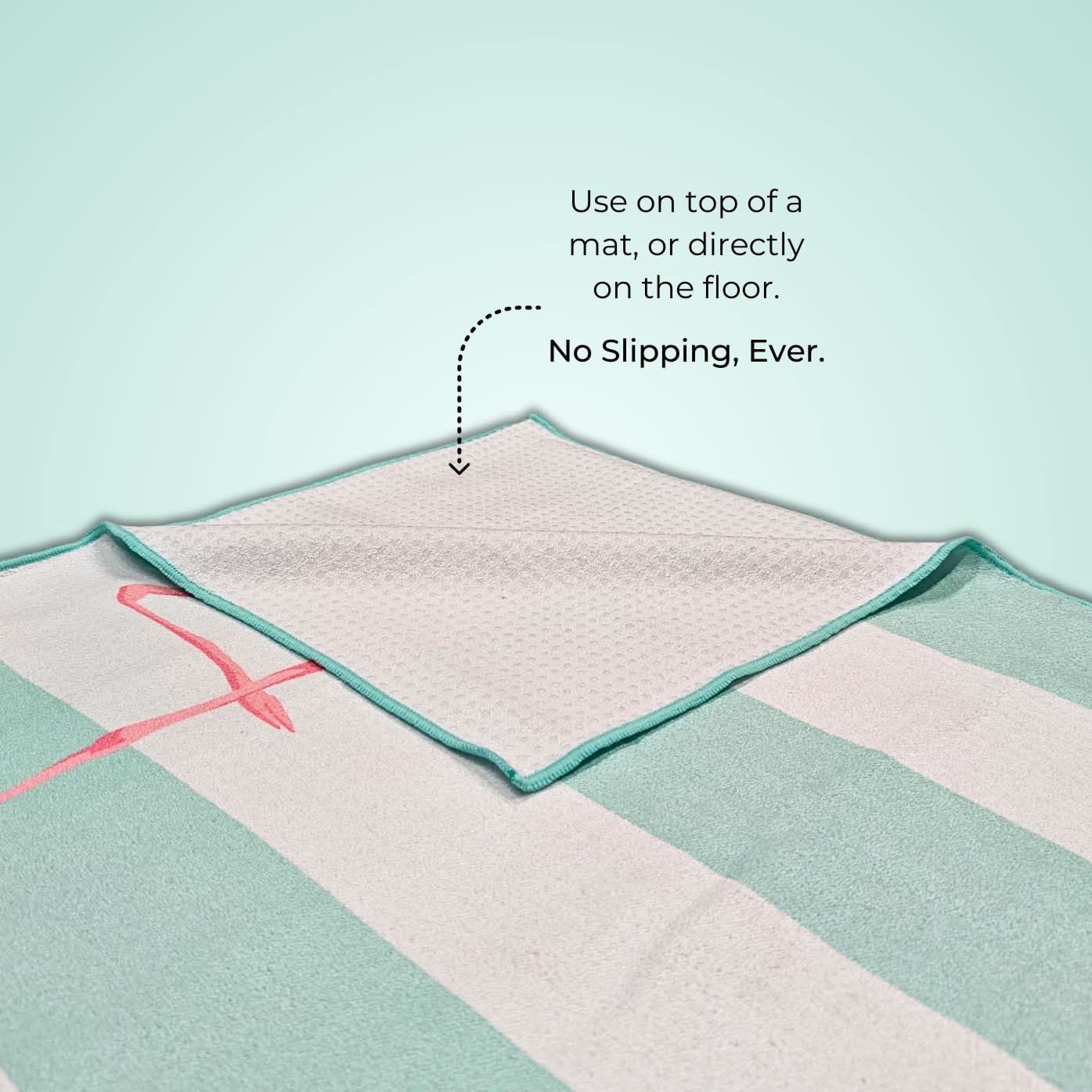
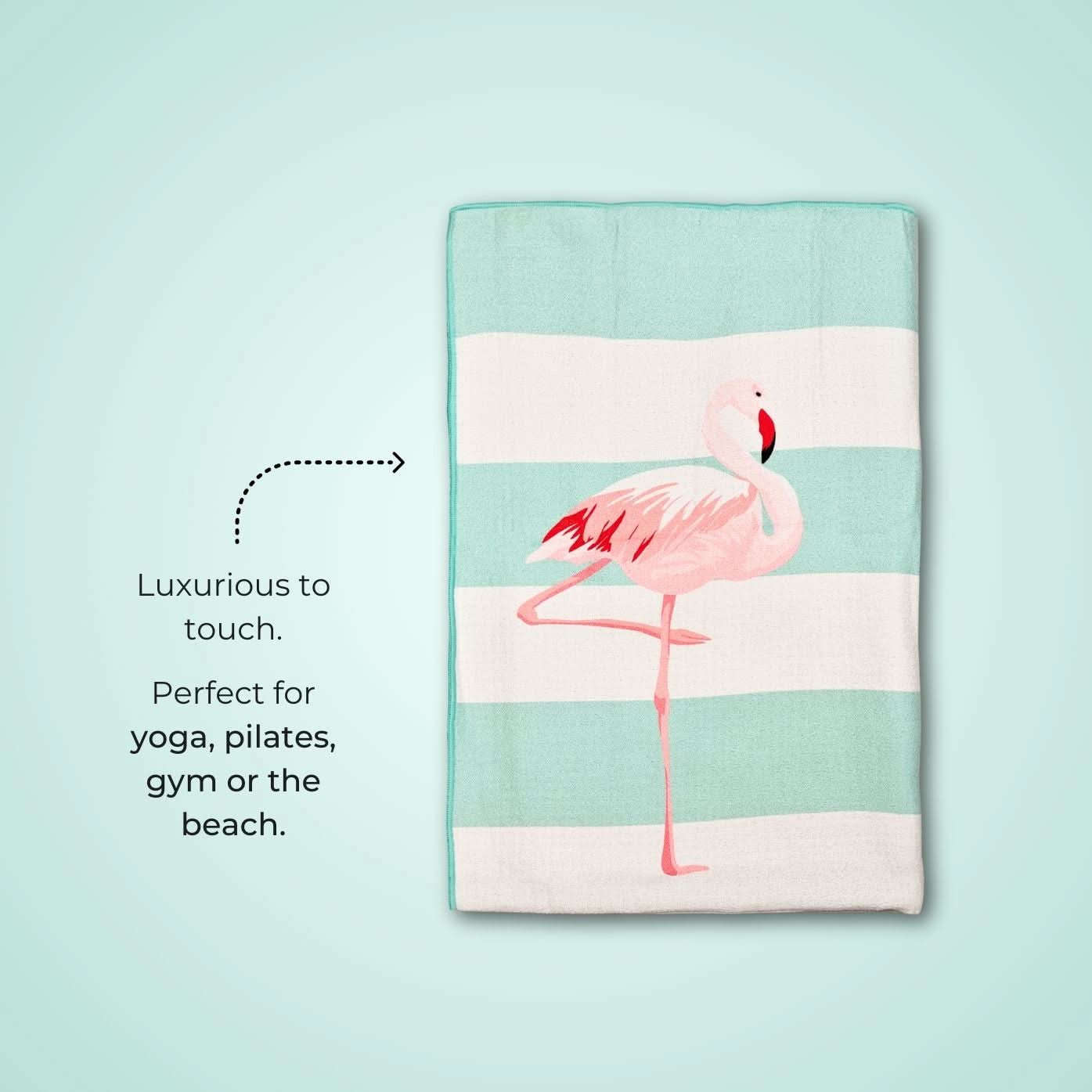
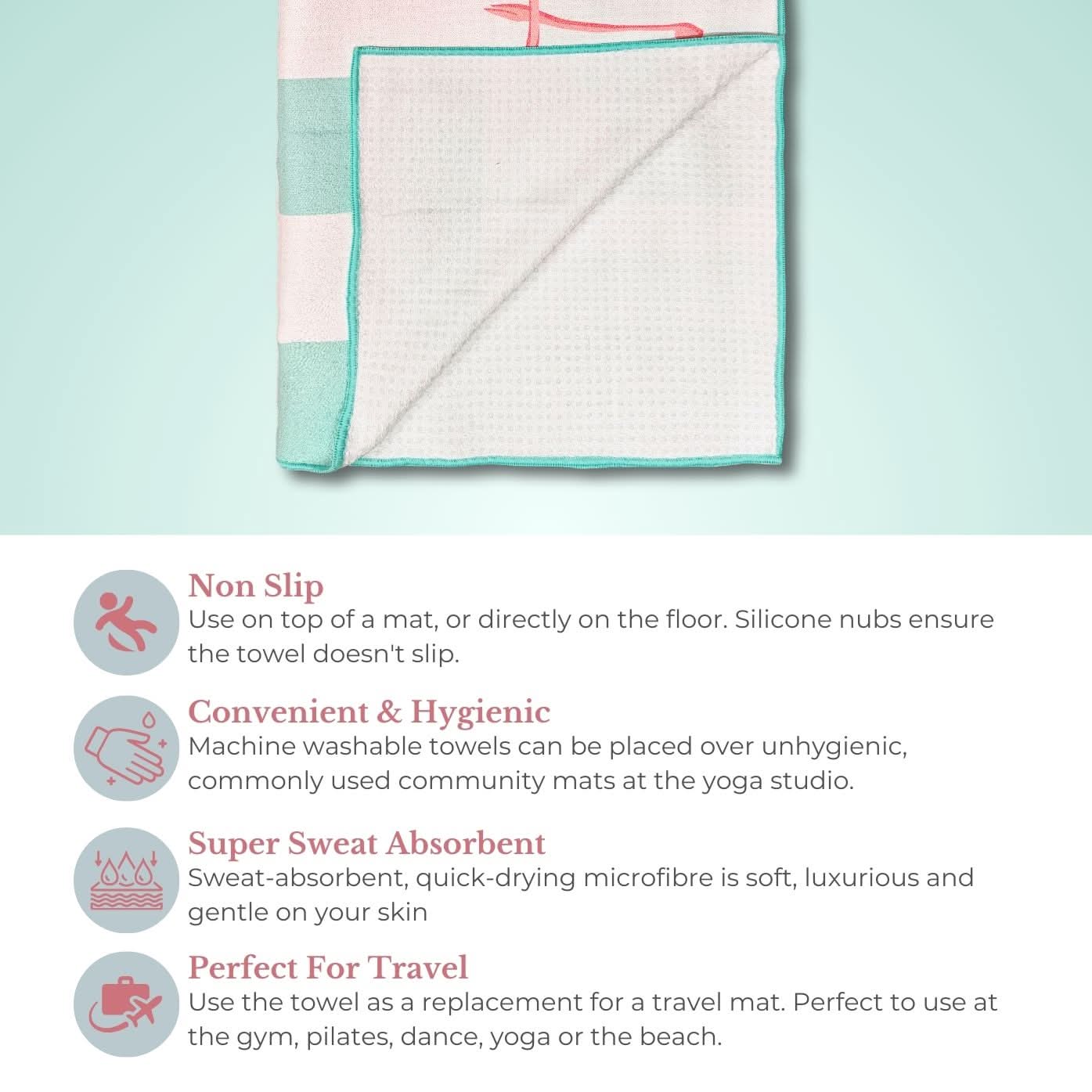
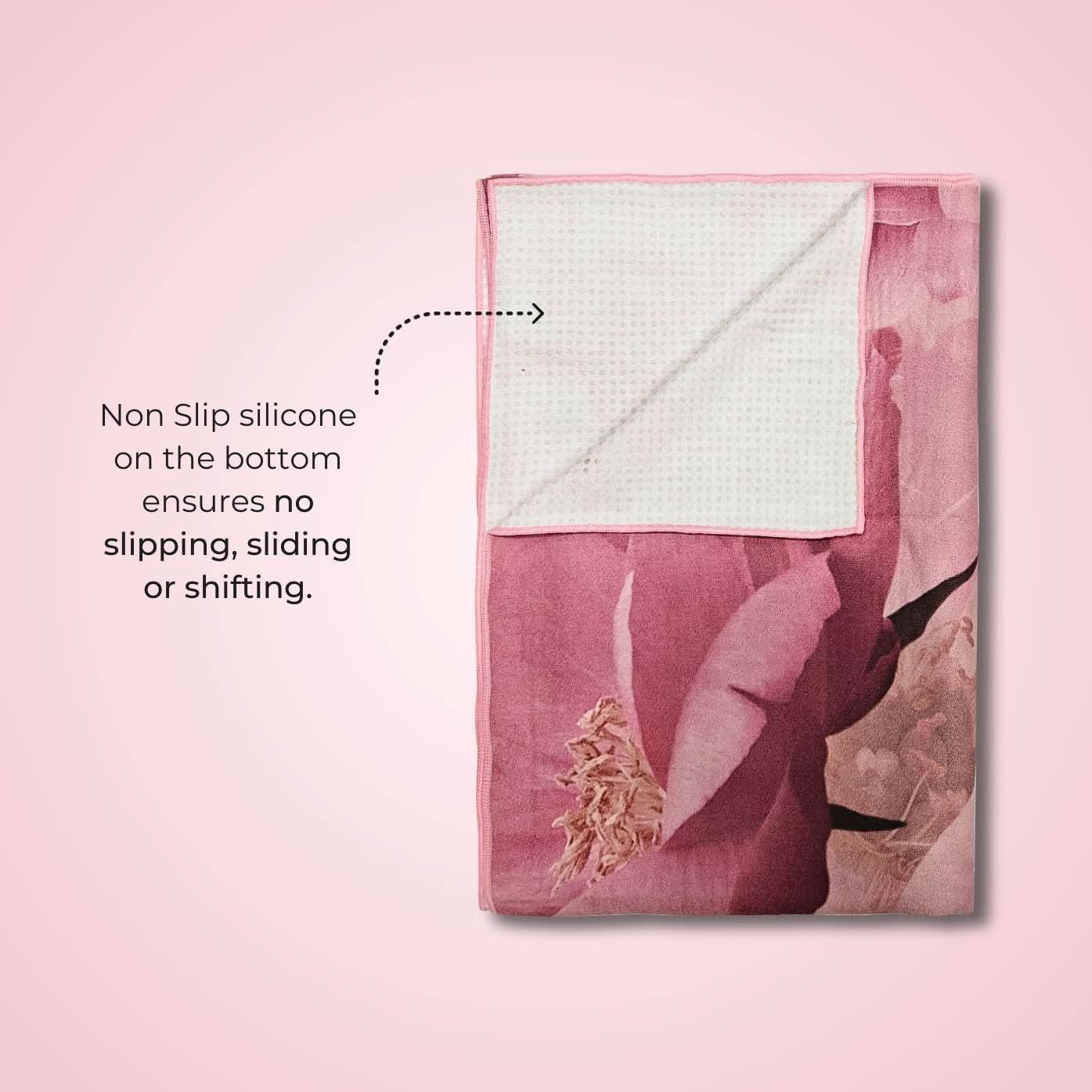
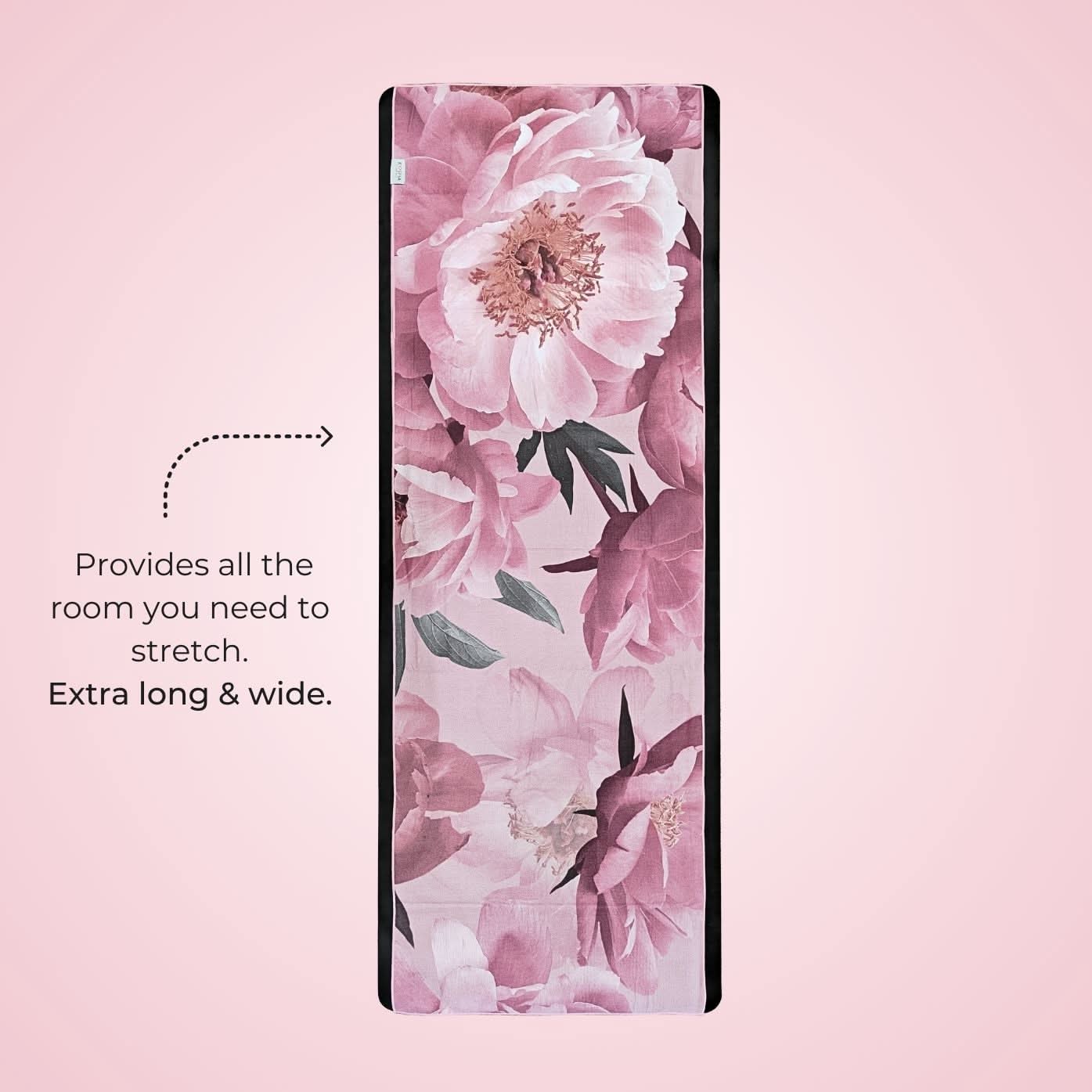
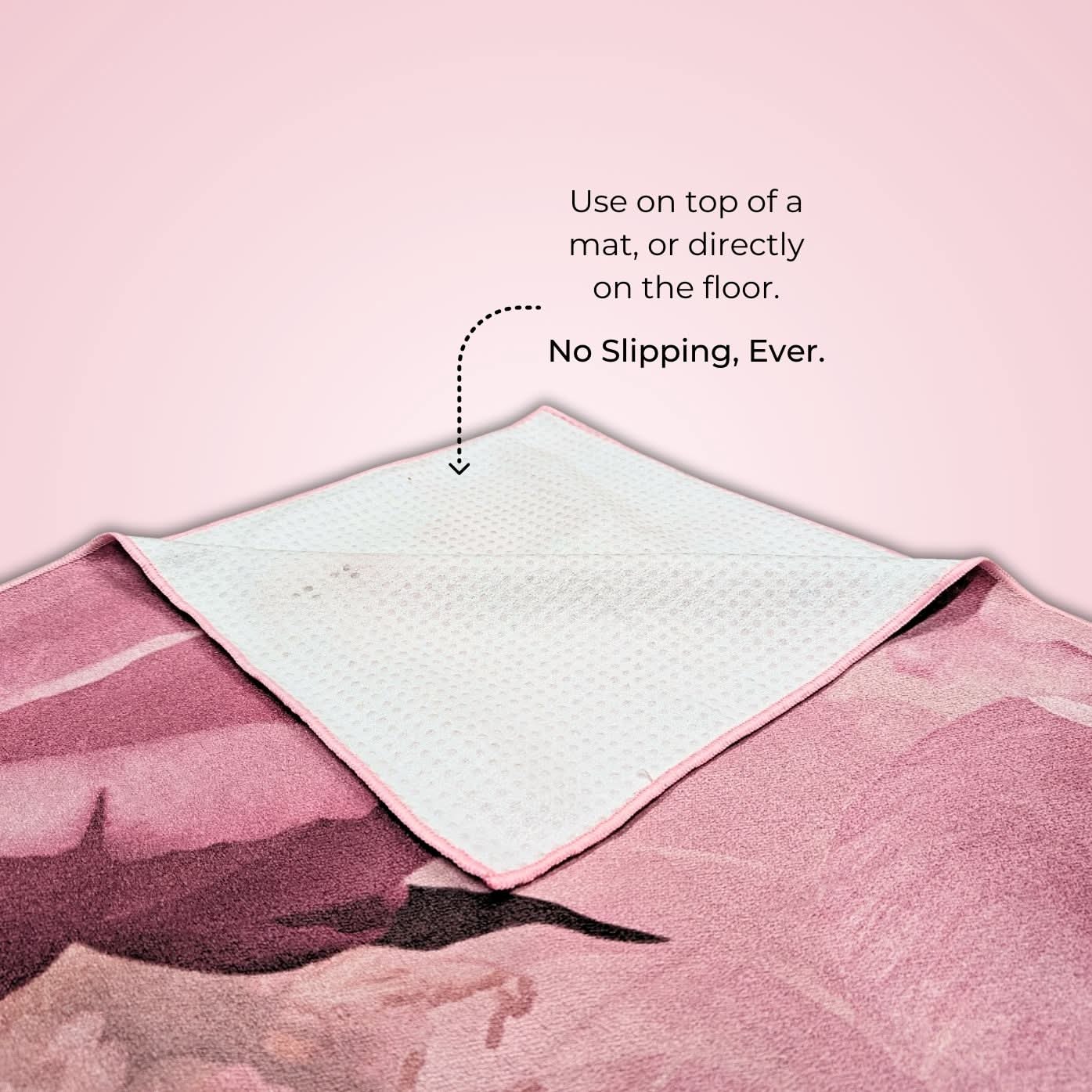
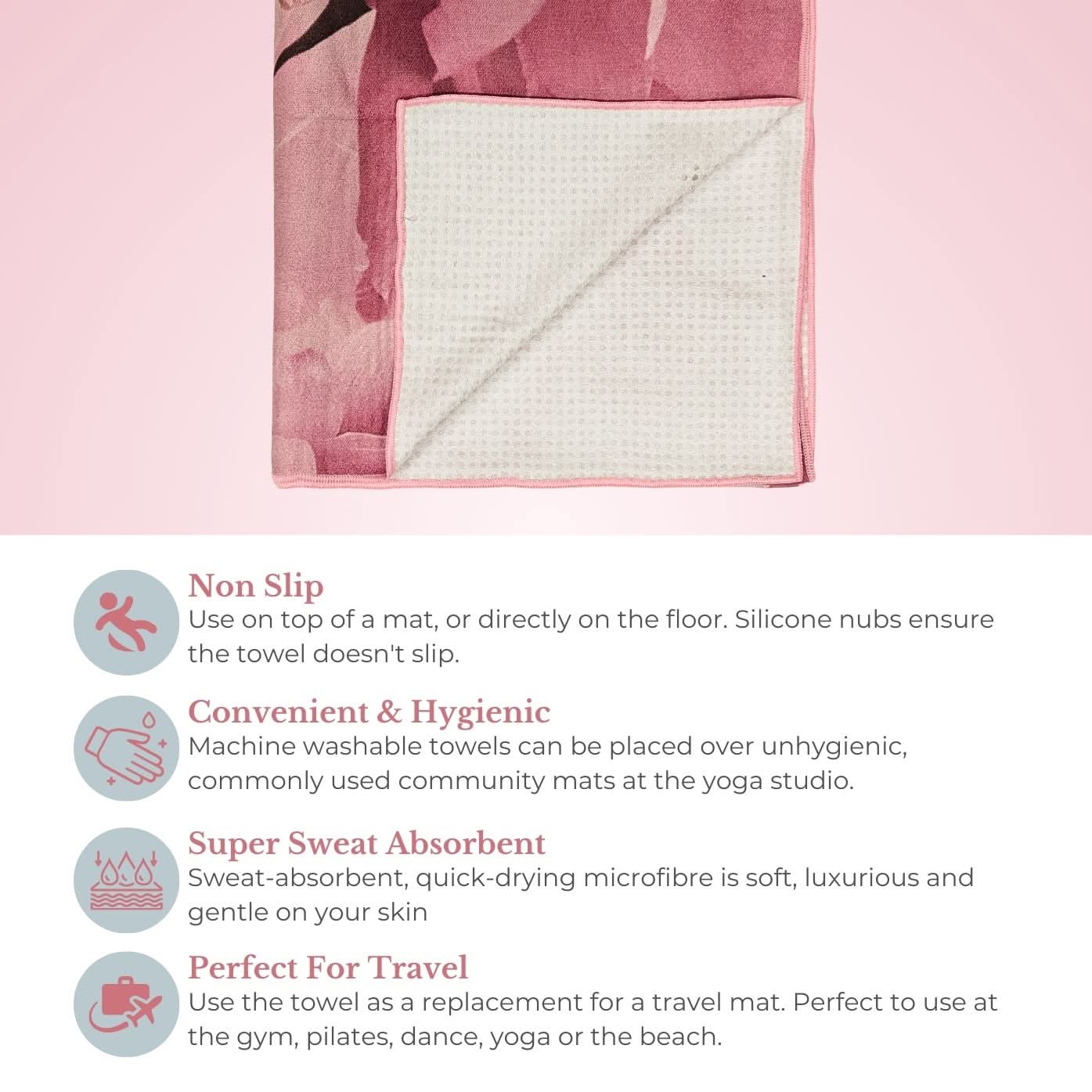
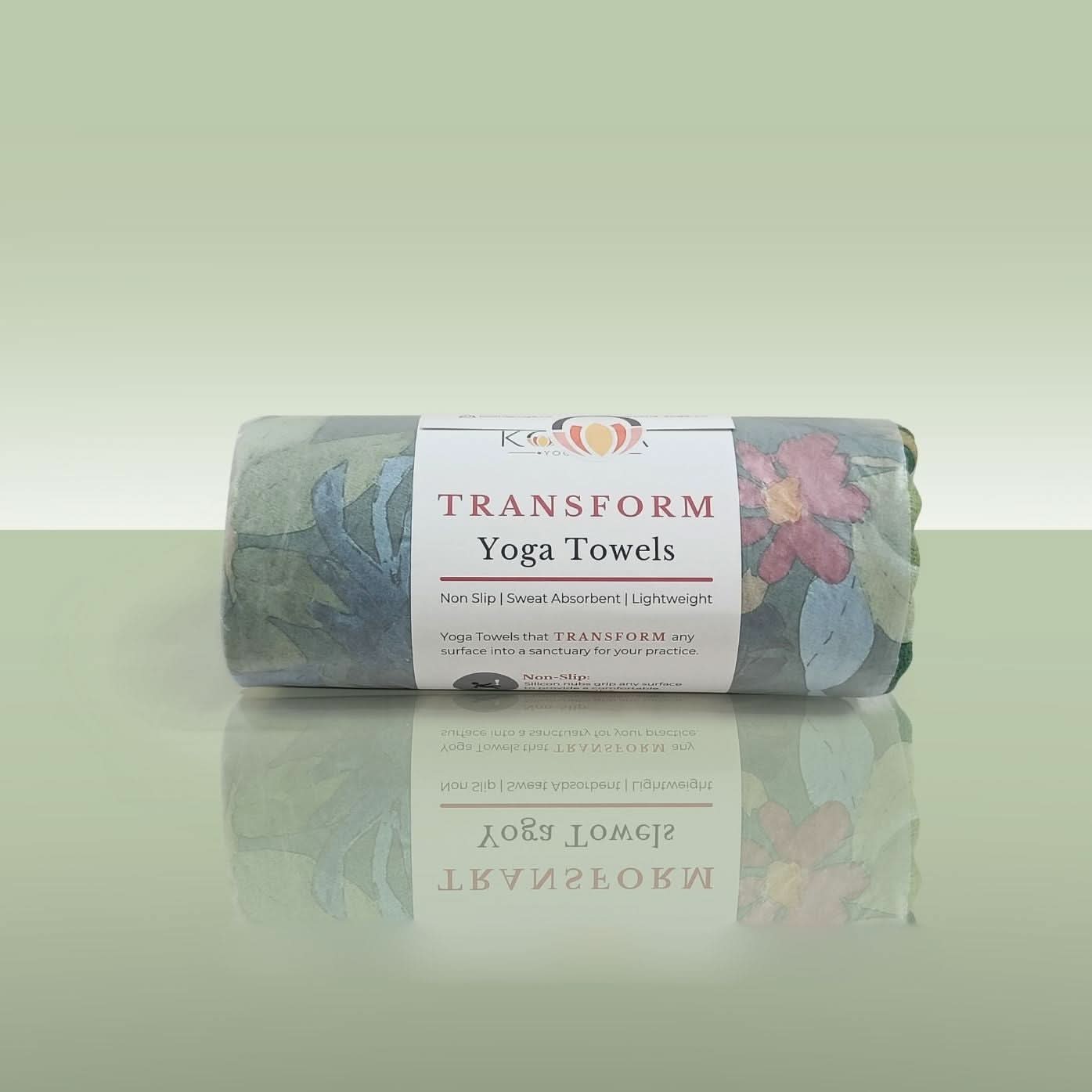
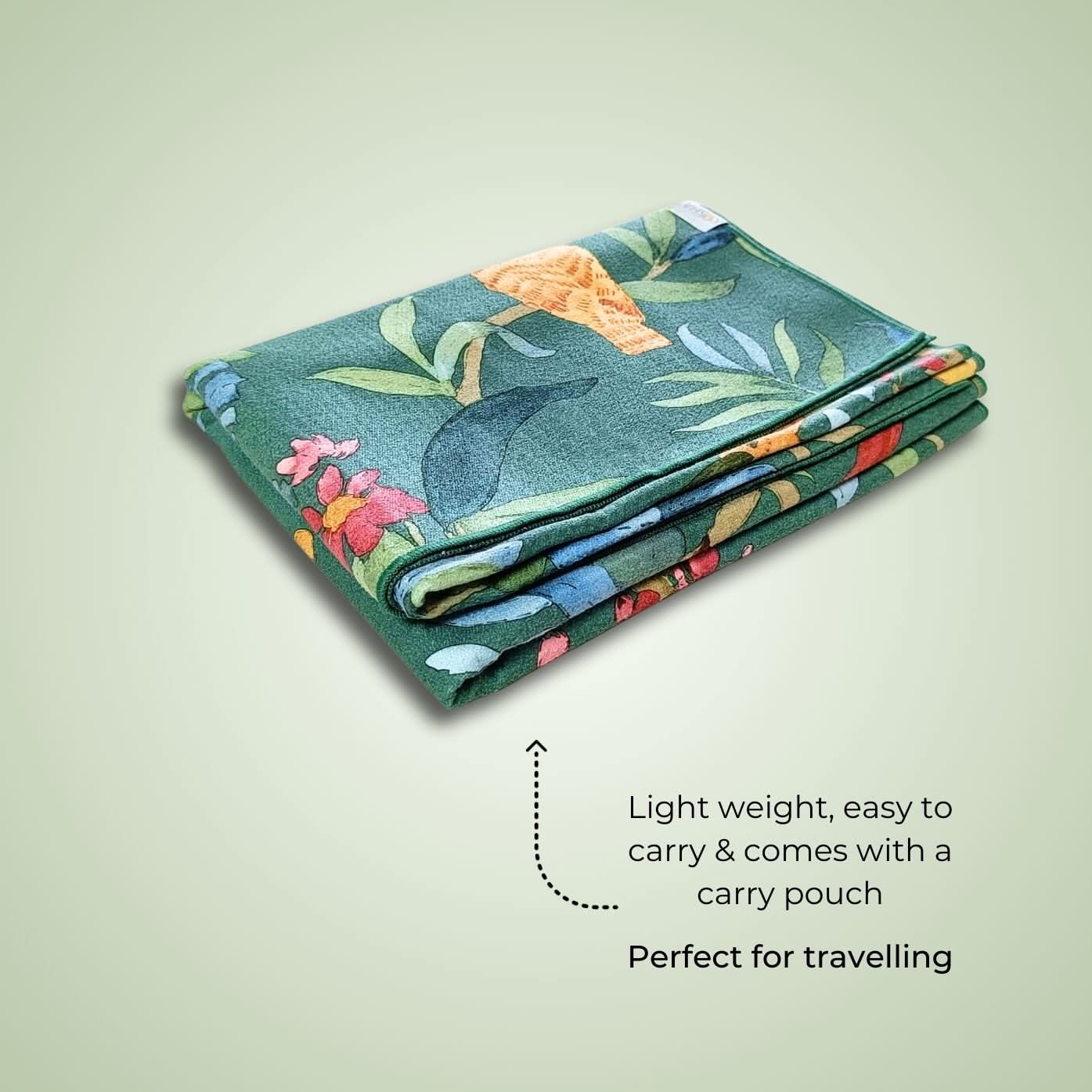
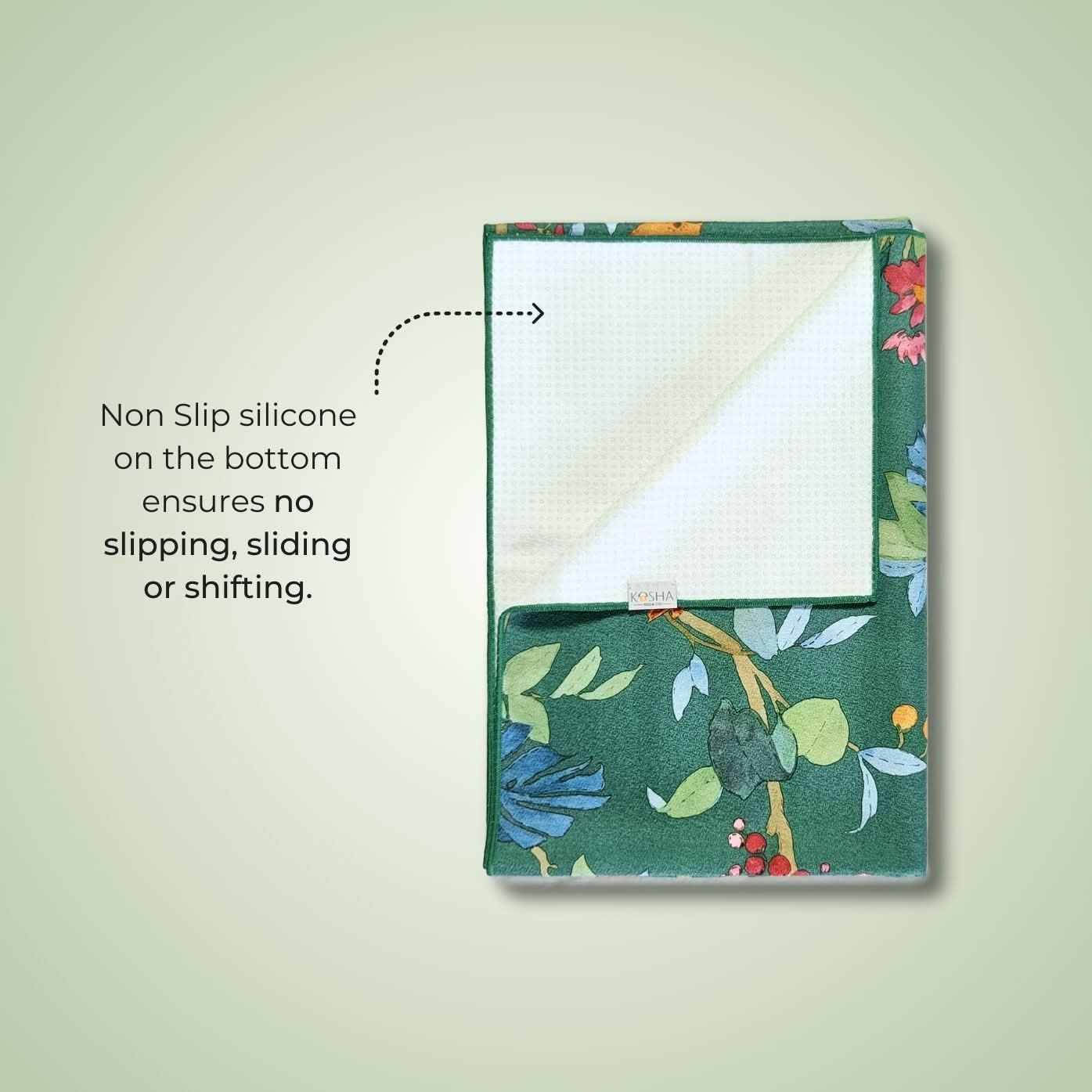
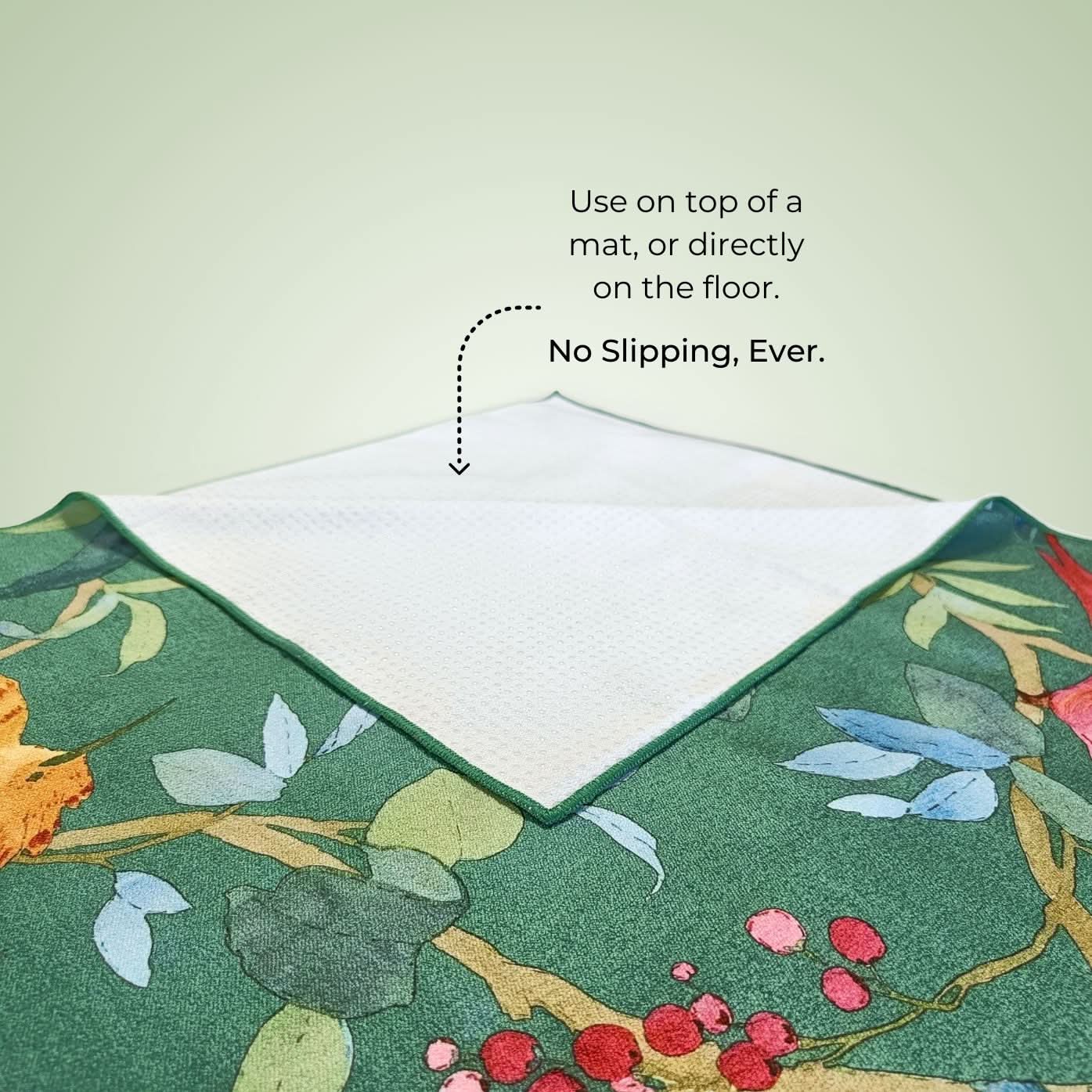
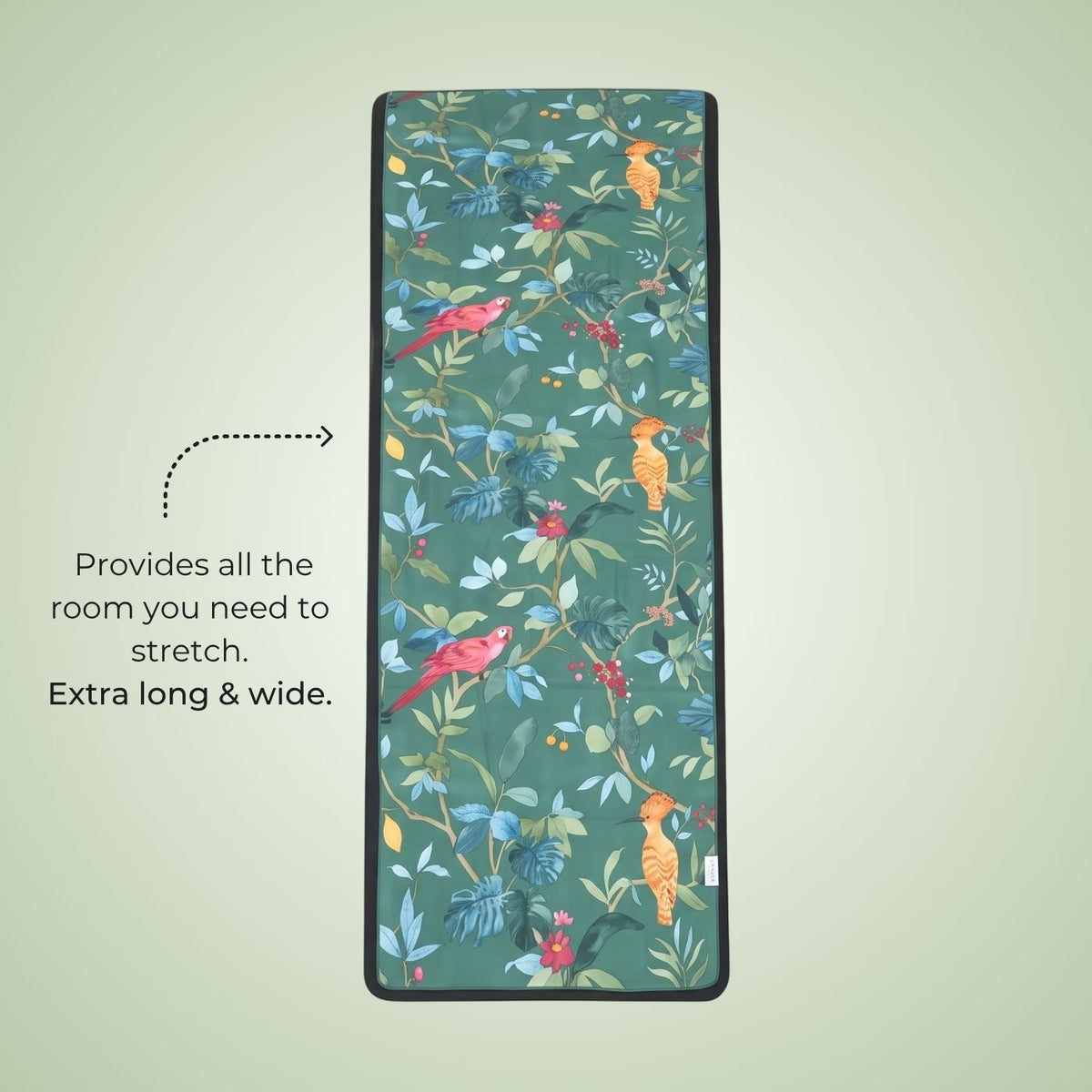
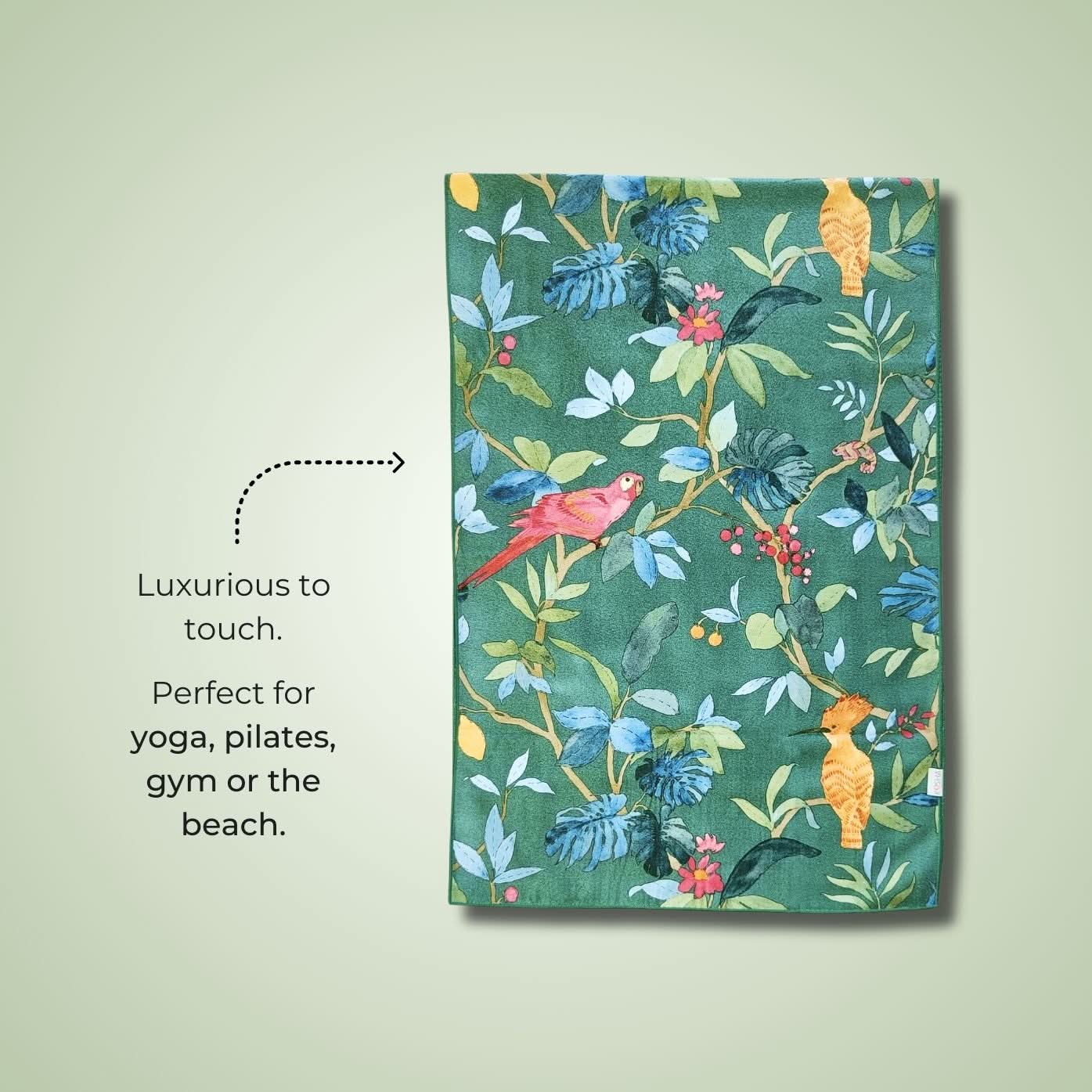
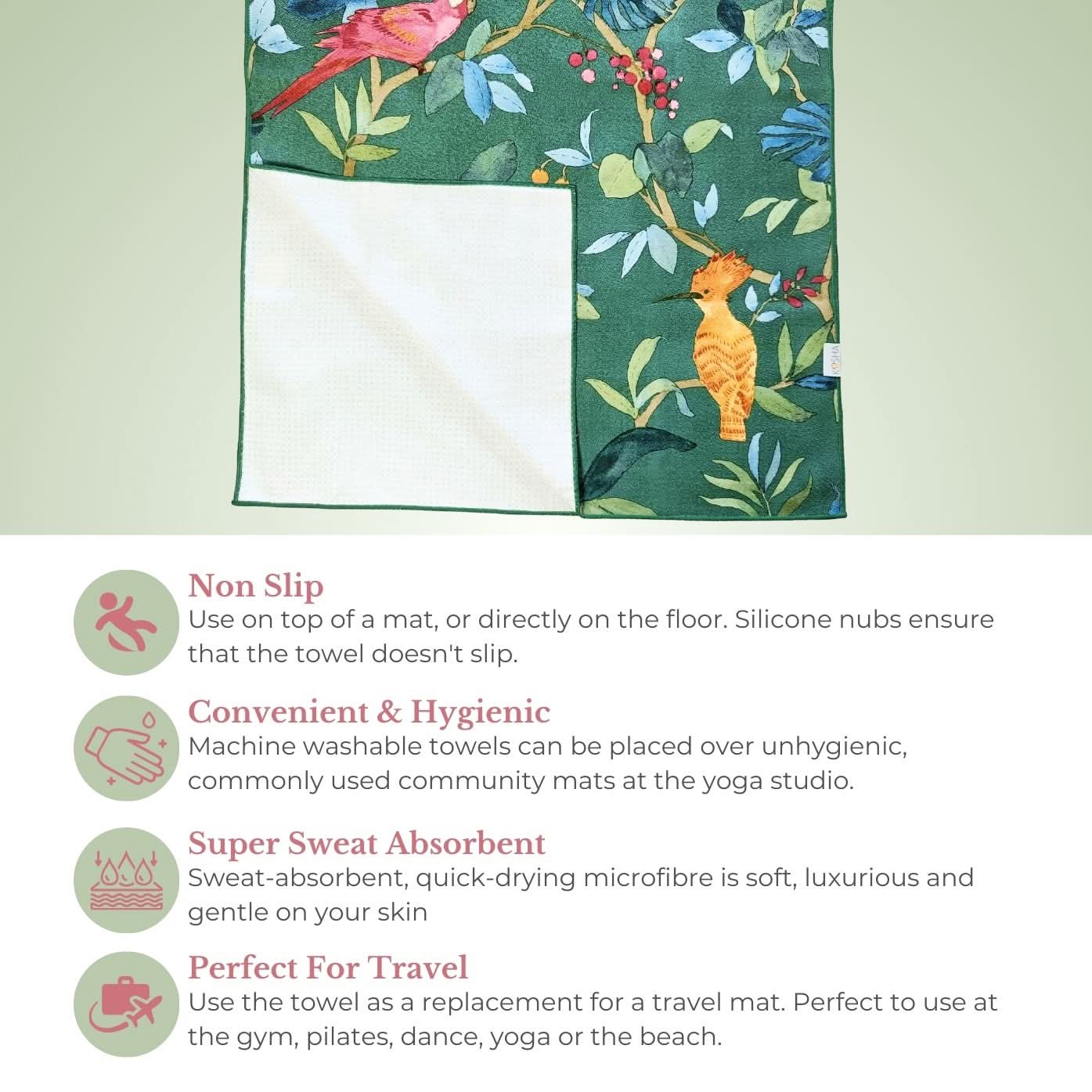
A yoga towel can also be useful during sweaty practices. It creates a barrier between your body and the mat and can help extend the life of the surface.
For my own practice, because I don't sweat heavily, I usually wipe my mat with a dry towel after practice, let it dry completely and then roll it up.
How to Dry and Store Your Yoga Mat
Drying and storage are just as important as cleaning.
Never roll up a damp yoga mat.
After cleaning, leave it open until it is completely dry. If necessary, place it somewhere well ventilated or under a fan.
When storing your yoga mat:
- Keep it away from direct sunlight.
- Avoid extreme heat.
- Store it in a well-ventilated area.
- Don't roll it excessively tightly.
- Make sure it's completely dry before putting it away.
When possible, I recommend storing your mat loosely rolled rather than tightly rolled, allowing some ventilation around the surface.

When Should You Replace Your Yoga Mat?
A yoga mat doesn't come with a fixed expiry date. How long it lasts depends on the material, how often you practise, how much you sweat, how you clean it and how you store it.
Rather than replacing your mat simply because you've had it for a certain number of years, pay attention to how it performs.
Your mat has lost its grip
This is probably the biggest sign.
If your hands and feet are consistently slipping even after you've properly cleaned the mat, the surface may have started to deteriorate. Loss of grip can affect your alignment, confidence and safety during practice.
The surface is peeling, cracking or flaking
If the top layer is beginning to peel, crack, flake or break down, the material is reaching the end of its useful life. This is particularly important with PU-coated mats.
The mat has become thinner or uneven
Repeated compression can cause a mat to become thinner in areas where you place the most weight. If it no longer provides the same cushioning, stability or support, it's worth considering a replacement.
The mat no longer stays stable
If your mat has started curling at the edges, sliding around or losing its stability, that's another indication that it's time to replace it.
You can't get rid of the smell
A persistent odour despite proper cleaning and thorough drying can indicate that the material has deteriorated or that sweat and moisture have accumulated within the mat.
You don't trust your mat anymore
This is perhaps the simplest test.
If you're constantly thinking about whether your hands will slip, whether the mat will move underneath you, or whether the surface will support you through a particular asana, your mat is no longer doing its job.
Your yoga mat should support your practice, not become something you have to work around.
When you reach that point, it's probably time to start looking for a new one.
How Long Should a Yoga Mat Last?
There's no universal answer.
A high-density PVC mat can potentially last longer than a high-performance open-cell mat. But longevity isn't the only measure of a good yoga mat.
A serious practitioner may get considerably more value from a mat that provides excellent grip, stability and sweat management for several years than from a cheaper mat that lasts longer but compromises their practice.
For me, performance comes before simply making a mat last as long as possible.
If your current mat has started losing its grip, deteriorating on the surface or affecting your confidence during practice, it may be time to invest in a mat that's better suited to how you practise.
Explore Kosha's yoga mat collection →
The Simplest Way to Make Your Yoga Mat Last Longer
You don't need an elaborate cleaning routine.
Wipe it gently. Don't over-clean it. Never use harsh chemicals. Keep it away from direct sunlight. Let it dry completely. And store it somewhere ventilated.
Most importantly, understand what your mat is made from.
The same characteristics that make a natural rubber or PU yoga mat perform beautifully — its ability to absorb sweat and provide exceptional grip — are also why you need to treat it differently from a closed-cell PVC mat.
I've spent years teaching on, testing and designing yoga mats, and this is probably the most important lesson I've learned:
Taking care of your mat isn't about cleaning it more. It's about cleaning it correctly.
And if you've invested in a good yoga mat, that small difference can add years to its life.
Have a mat-care question we didn't cover? Drop us a message on WhatsApp or Instagram we're always happy to help fellow practitioners keep their gear in great shape.