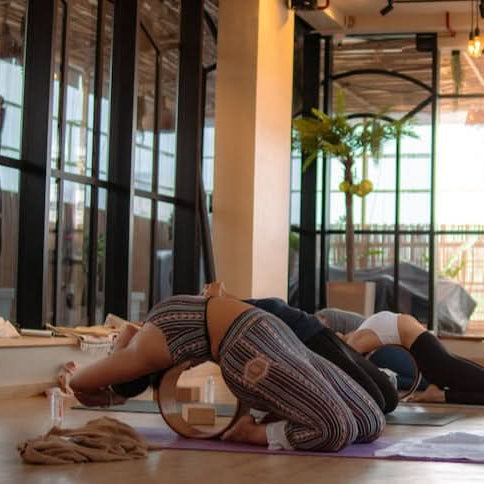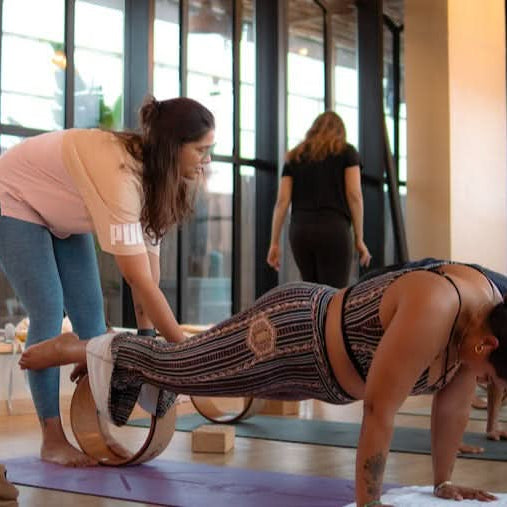

Yoga blocks are one of the most misunderstood yoga props. Some people think they’re only for beginners, others see them as crutches, and many avoid them entirely because they feel they shouldn’t need support.
In my experience as a yoga teacher and long-time practitioner, nothing could be further from the truth. Yoga blocks are tools for intelligent, safe, and long-term progress, not shortcuts.
This guide explains how to use yoga blocks properly, who they’re for, and how they can help you build a practice that feels strong, confident, and sustainable.
Why Yoga Blocks Are Used in Yoga?
Yoga blocks are not just props. They are tools for accessibility, safety, and awareness.
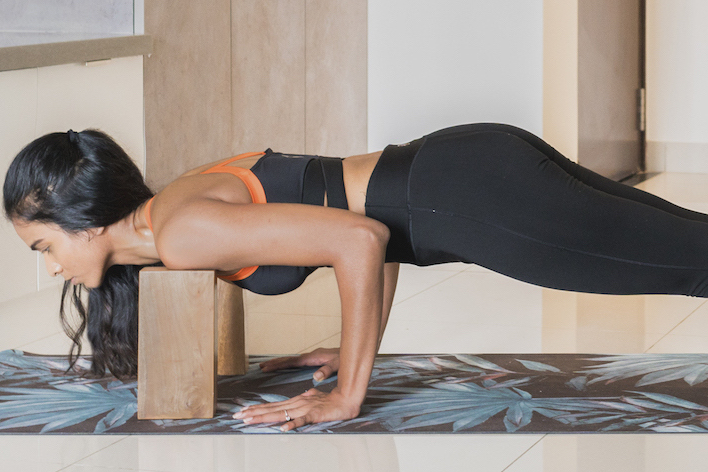
The purpose of yoga blocks is simple: to make asanas that feel inaccessible accessible, without forcing the body.
Yoga is not about achieving the deepest version of a pose. It’s about building awareness, understanding alignment, movement and breath. Yoga blocks allow you to enter a posture gradually, giving your body time to adapt and learn instead of reacting with strain.
Who Should Use Yoga Blocks?
Yoga blocks are for everyone.
Beginners benefit from blocks because they make poses more approachable, help with alignment, and reduce unnecessary strain. They allow students to focus on breath and awareness instead of struggling to “reach” a pose.
Advanced practitioners use yoga blocks to explore new variations, subtle alignment shifts, and unfamiliar postures. Yoga has no finish line — curiosity and support are part of the journey at every stage.

Blocks are also extremely valuable during injury recovery. They provide extra reach, stability, and confidence, allowing safe movement while the body heals.
How I Use Yoga Blocks in My Practice & Teaching?
I’ve used yoga blocks ever since I started practicing and teaching, and I still use them regularly. I almost always begin my practice with blocks, especially during the early repetitions of a sequence. At this stage, the body is still cold, joints are stiff, and muscles haven’t fully activated. Using blocks here reduces strain and allows me to ease into movement rather than rushing into depth. I treat blocks as extensions of my limbs and they help my practice feel smoother, safer, and more connected.
My husband suffered a dislocated shoulder that significantly limited his mobility. Simple movements like lifting his arm overhead or reaching behind his back were difficult. By incorporating yoga blocks & yoga straps in his recovery work, we were able to build mobility, strength and confidence and help him take his shoulder back to full range of motionmuch faster than anticipated.
I’ve seen similar results with students recovering from hamstring injuries, knee issues (including ACL and MCL), and general stiffness.

The thing I like most about Yoga Blocks.
Yoga blocks are especially useful in poses you hold for multiple breaths, where stability allows awareness to develop.
In asanas such as Forward folds, Downward Dog, Lunges & Squats where holding the pose is difficult, blocks give you the option to pause, breathe & explore the asana without discomfort, which helps expand your boundaries & limitations.
Yoga blocks allow you to approach poses slowly and with awareness. This significantly reduces the risk of injury. Trying to force depth or “power through” a pose often leads to setbacks that can pause your practice for months.
Using blocks encourages patience and intelligent progression — which is far more effective in the long run.
Yoga is dynamic. Your props should be used to adapt to your body, not the other way around.
Common mistakes people make with yoga blocks.
- One of the biggest mistakes I see is overusing blocks. While blocks are meant to support you, they shouldn’t become something you’re afraid to let go of. Progress comes from gradual exploration, not permanent dependence.
- The opposite mistake is not using blocks at all, often due to ego. Many students believe props are only for beginners, when in reality avoiding support often leads to poor alignment or injury.
- The third issue is simply not knowing how to use yoga blocks. Beginners are often intimidated by props because no one explains how versatile and intuitive they actually are.
What Makes a Good Yoga Block?
A good yoga block should be:
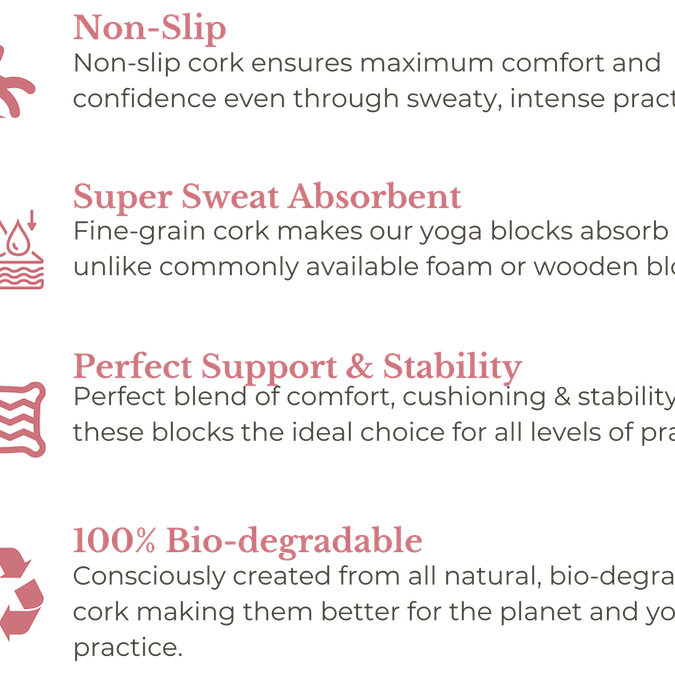
- Stable under weight
- Non-slip, even in sweaty conditions
- Durable and long-lasting
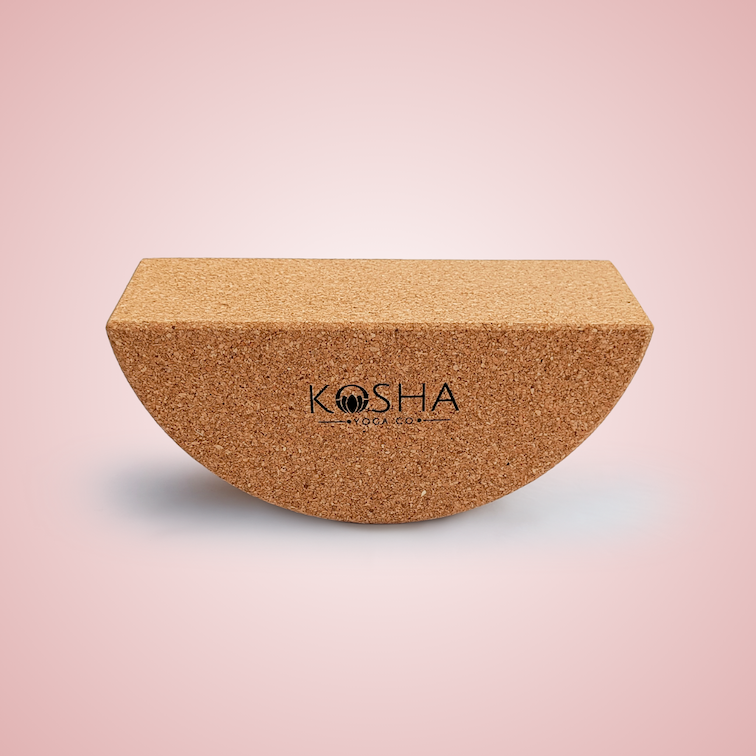
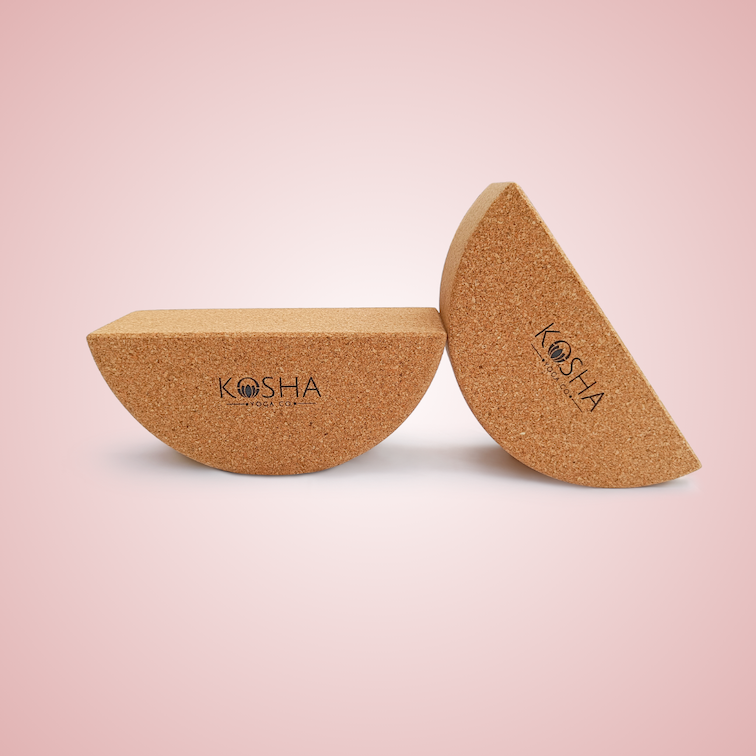
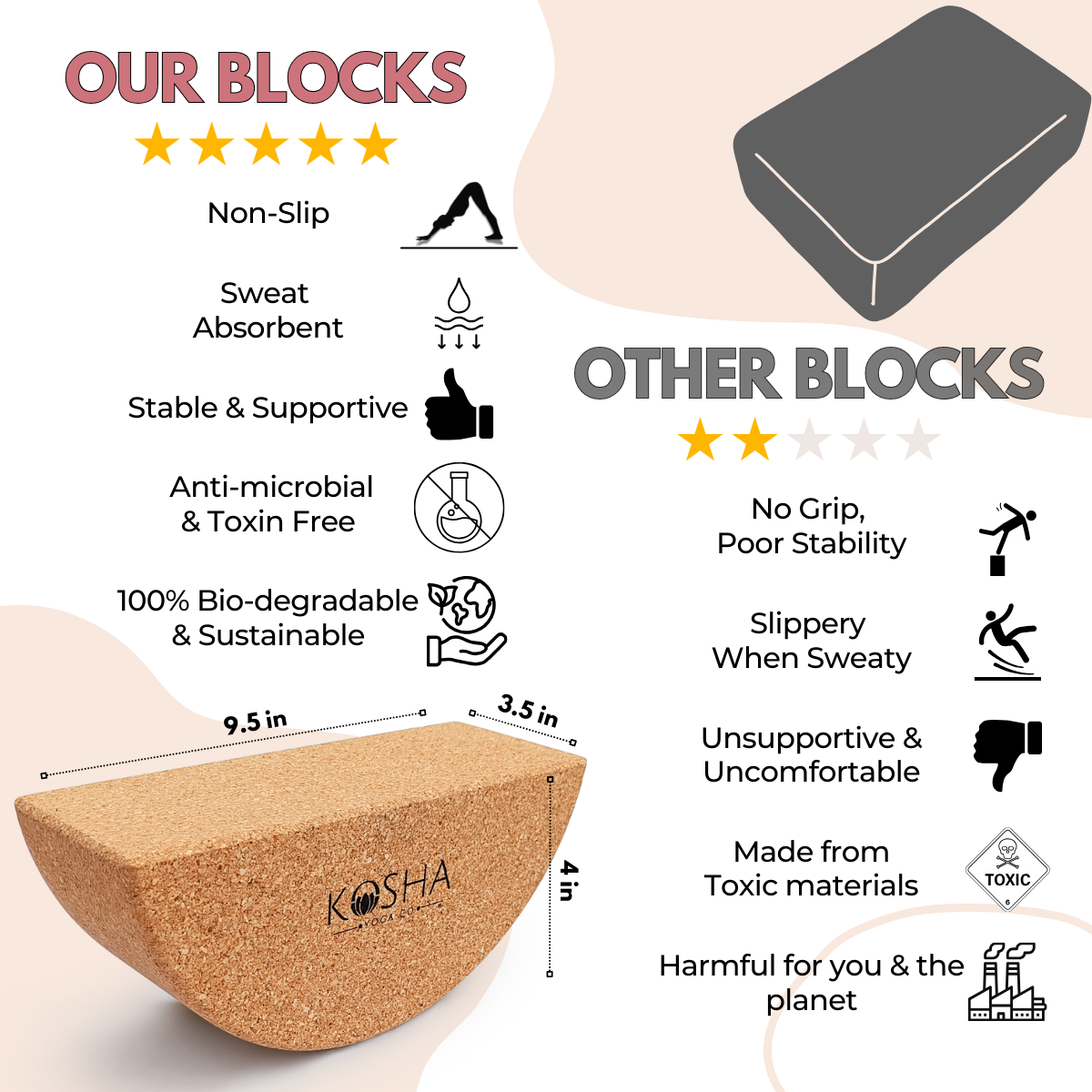
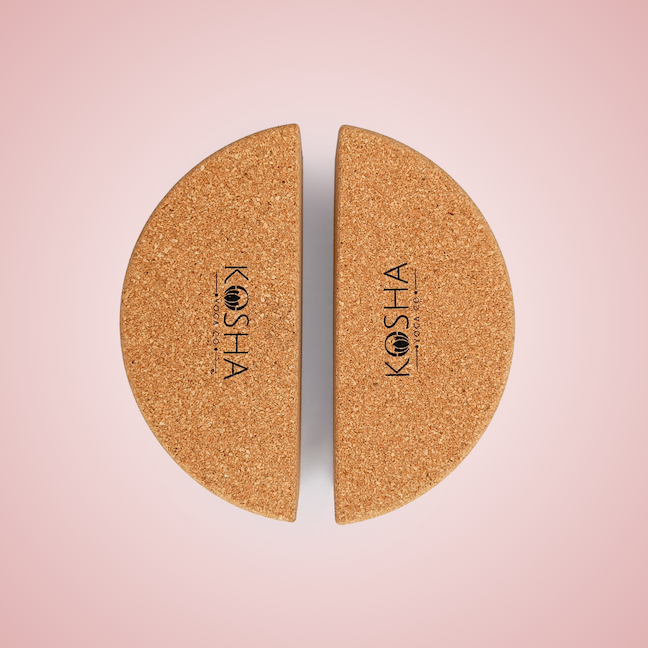
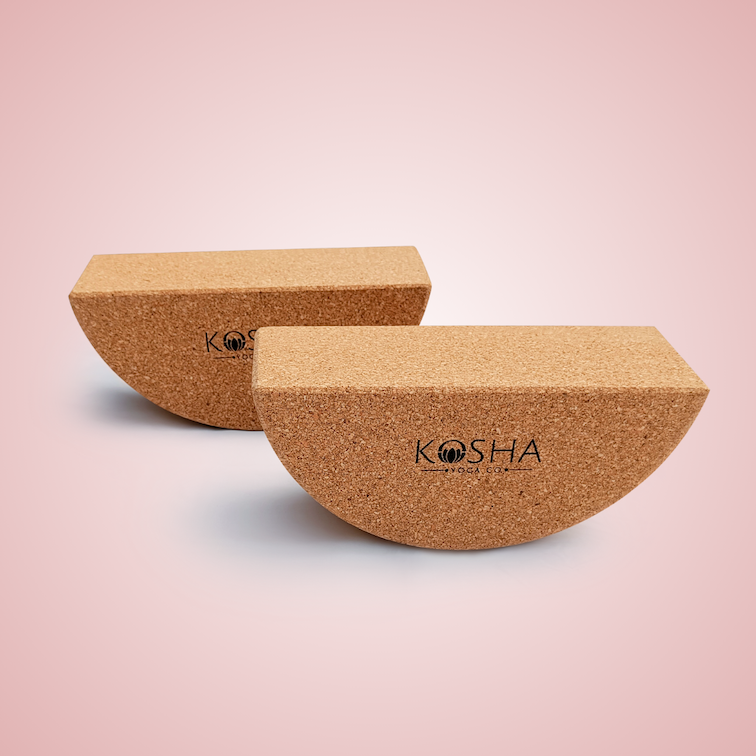
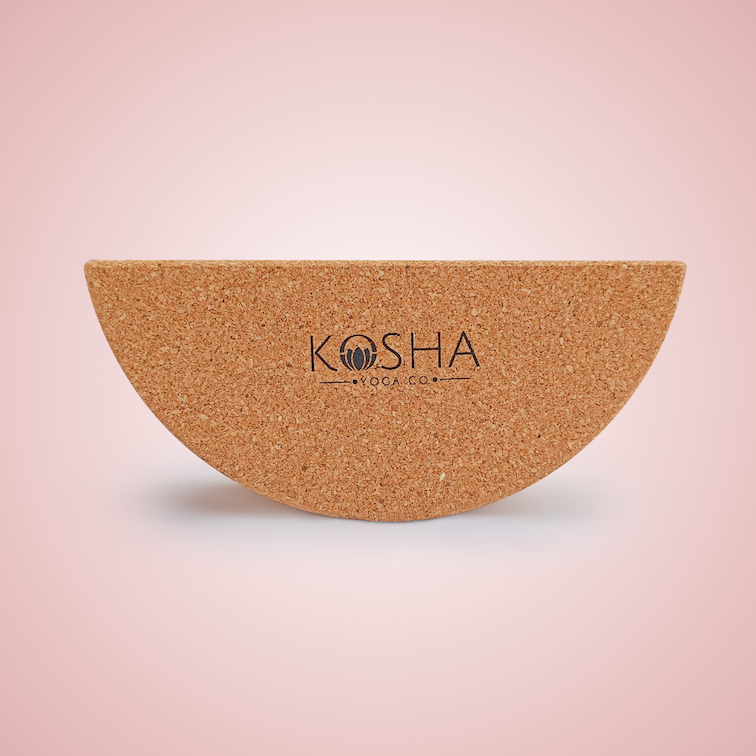
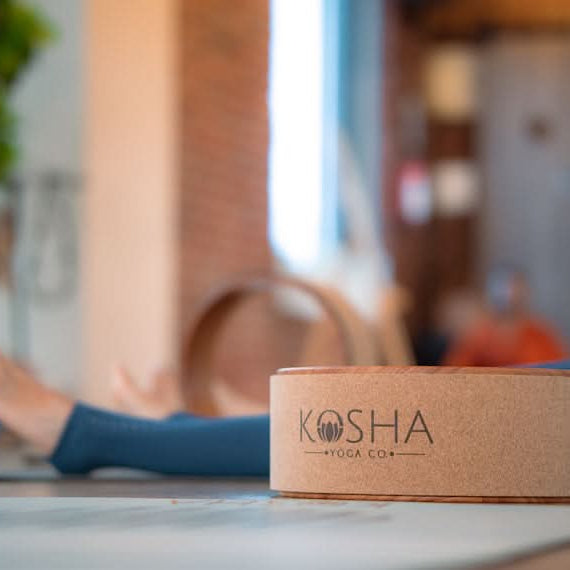
Many foam or plastic blocks compress or wobble, which can feel unsafe when a lot of body weight is involved. From both a teaching and product perspective, cork blocks offer the best balance of support, grip, and durability. They’re also naturally antimicrobial and easier to maintain.
If you’re choosing yoga blocks for home practice, prioritise stability, sweat absorption and safety over softness.

Your practice is personal. What others are doing on their mats doesn’t matter. Props help you practice longer, safer, and with greater confidence, which is ultimately the goal of yoga.
Yoga blocks help you practice smarter, not harder. They support alignment, prevent injury, and make yoga accessible without compromising depth.
Whether you’re a beginner or an experienced practitioner, yoga blocks will always have a place in a sustainable yoga practice.
That’s not taking shortcuts. That’s respecting your body.
.
.
.
.
.
By Harneet Jayakar, a Certified Yoga Teacher & Co-founder of Kosha Yoga Co.